
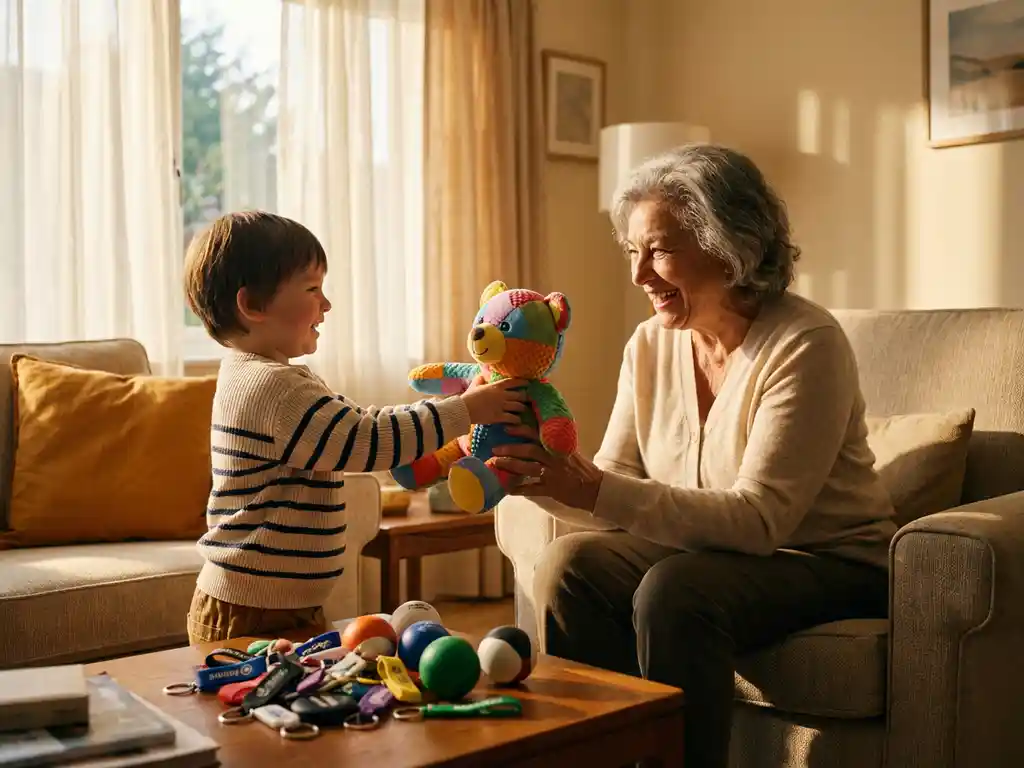
Promotional products have been a staple of brand marketing for decades, but some items do something truly remarkable: they leave the hands of the original recipient and travel into the homes, offices, and daily lives of entirely new people. That kind of organic reach is marketing gold, and it does not happen by accident. Understanding why certain promotional products get shared with friends and family reveals a great deal about what makes branded merchandise genuinely effective.
When a promotional product gets passed on, it essentially becomes a personal recommendation. The person sharing it is saying, without words, that the item has enough value to be worth giving to someone they care about. For brands and marketing managers, that moment of sharing is one of the most powerful forms of brand exposure available. Let us explore exactly what drives it.
Why do people share promotional products with others?
People share promotional products when an item provides more value than they personally need, or when they believe someone else would appreciate it more. Sharing is driven by a combination of generosity, practicality, and social connection—the same forces that motivate any gift-giving behavior. A promotional product that feels genuinely useful or delightful naturally triggers the impulse to pass it on.
Think about it from the recipient’s perspective. If someone receives a high-quality item they already own, their first instinct is often to think of a friend or family member who would love it. The branded element becomes almost secondary—the product’s inherent quality is what motivates the share. This is why investing in well-made, thoughtfully designed promotional products pays off far beyond the initial distribution.
There is also a social-currency element at play. Sharing something interesting, fun, or visually striking gives the sharer a small moment of delight—they get to be the person who introduced a cool item to their circle. Promotional products that have novelty, personality, or a strong visual identity tap directly into this behavior.
What makes a promotional product worth keeping and passing on?
A promotional product is worth keeping and passing on when it is high-quality, genuinely useful, and emotionally appealing. Durability matters enormously—nobody passes on a flimsy item that feels disposable. Products that are well crafted, visually attractive, and serve a real purpose in daily life earn a permanent place in someone’s routine, and that longevity dramatically increases the chances of sharing.
Relevance is another critical factor. A product that fits naturally into the recipient’s lifestyle feels like a thoughtful gesture rather than a generic giveaway. When that fit is not perfect for the original recipient, they are far more likely to think of someone else it would suit perfectly—and pass it along.
Presentation also plays a role. Products that arrive in attractive packaging or feel premium to the touch create a stronger emotional impression from the very first moment. That impression shapes how the recipient values the item and, in turn, whether they consider it worth sharing with people they care about.
Which types of promotional products get shared the most?
The promotional products shared most frequently tend to be compact, tactile, fun, or highly practical. Items that are easy to carry, give away, or leave on a desk naturally circulate more than bulky or single-use products. Some of the most shareable categories include:
- Stress balls and tactile toys — squeezable, satisfying, and easy to hand to a colleague or child
- Plush toys and mascot merchandise — emotionally appealing, especially for younger audiences and families
- Keychains and small accessories — practical items that get noticed and passed on when duplicates arise
- Stickers and wearables — low-cost to share, high visibility once distributed
- Branded food and wellness items — consumable products that invite sharing by their very nature
What these categories share is a low barrier to giving. None of them feel overly personal, so passing one on does not feel awkward. They are also items that people genuinely enjoy receiving, which means the act of sharing feels generous rather than like offloading something unwanted.
How does a shared promotional product boost brand recognition?
A shared promotional product boosts brand recognition by multiplying the number of people who see and interact with a brand’s logo, colors, and messaging—without any additional marketing spend. Every time an item changes hands, the brand reaches a new audience that was never part of the original distribution plan. This secondary exposure is often more trusted than paid advertising because it arrives through a personal recommendation.
The mechanism is straightforward: the new recipient sees the brand through the lens of the person who gave it to them. That association with someone they trust creates a warmer, more positive first impression than a cold advertisement ever could. Brand recognition built this way tends to be stickier and more durable.
Repetition also matters. If multiple people within a social or professional circle end up with the same branded item, the brand becomes a shared reference point. That kind of organic familiarity is extremely difficult to manufacture through traditional channels and is one of the most compelling arguments for investing in high-quality, shareable promotional products.
What role does emotional connection play in promotional product sharing?
Emotional connection is one of the most powerful drivers of promotional product sharing. When a product makes someone smile, feel nostalgic, or experience a moment of genuine delight, they want to recreate that feeling for someone else. Products with personality—whether through shape, color, humor, or tactile satisfaction—generate emotional responses that translate directly into sharing behavior.
This is why character-driven products like plush toys, mascot merchandise, and custom-shaped stress balls tend to circulate so freely. They are not just objects—they carry personality and warmth. A child who receives a branded plush animal does not think about marketing; they think about how much their sibling or friend would love it, too.
For B2B brands, emotional connection might manifest differently—as a sense of quality, craftsmanship, or brand pride. A beautifully designed, well-made promotional item communicates that the brand behind it takes its identity seriously. That impression resonates with recipients and makes them more likely to share the item as a reflection of their own good taste.
How can brands design promotional products that people want to share?
Brands can design promotional products that people want to share by focusing on quality, personality, and genuine usefulness from the very start of the design process. The goal is to create something that feels like a gift rather than an advertisement. When recipients perceive real value in an item, sharing becomes a natural extension of that experience.
Here is a practical framework for designing more shareable promotional products:
- Start with the recipient, not the brand. Ask what this person actually needs or enjoys, then find a way to incorporate your brand identity into that answer.
- Prioritize quality over quantity. A smaller run of high-quality items will generate more sharing and brand goodwill than a large volume of forgettable ones.
- Give the product a personality. Shape, color, texture, and character all contribute to emotional appeal. Products with a distinct identity stand out and get talked about.
- Make it compact and easy to share. Items that are easy to carry, store, and give away naturally circulate more widely.
- Align the design with your brand story. Products that feel like a natural extension of your brand identity create a coherent impression that sticks in the memory.
The design process itself matters as much as the final product. Working with a supplier that offers free concept artwork and unlimited revisions means you can refine the design until it truly captures your brand’s personality—and that creative investment shows in the finished product.
How Promo Bears helps brands create promotional products worth sharing
We specialize in creating promotional products that people genuinely want to keep, use, and pass on. From custom mascot costumes to plush toys, inflatables, and tactile merchandise, everything we produce is designed to carry personality and quality in equal measure.
Our custom stress balls are a perfect example of how a small product can do big things for brand sharing. Unlike standard promotional items, every stress ball we produce is fully custom—shaped to match your logo, mascot, or product concept; precision-molded in high-quality PU foam; with specific PMS color matching available. These are not generic round balls with a one-color print. They are three-dimensional, tactile brand ambassadors that people pick up, squeeze, and show to others.
Here is what makes our custom stress balls particularly shareable:
- Fully custom shapes based on your own design or concept — no standard molds
- Vibrant, full-color production that captures fine brand details
- Free concept artwork and unlimited revisions before production begins
- Option to approve a physical prototype before committing to a bulk order
- A dedicated project manager from design to delivery
- Production time of 10 to 12 weeks after design approval, with rush options available
Whether you are planning a trade show, a corporate giveaway, or a seasonal campaign, we are ready to help you create something that earns a place in people’s hands and keeps your brand circulating long after the event is over. Request a free quote today and let us show you what a truly custom promotional product can do for your brand.