
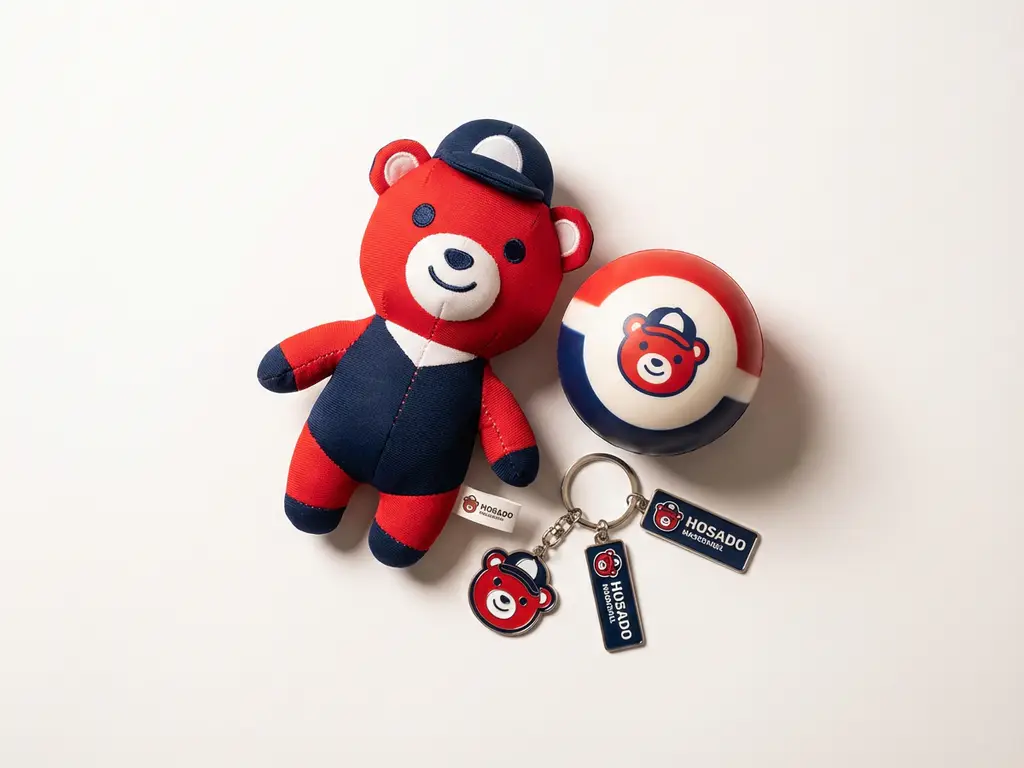
Brand consistency is one of the most powerful—and most underestimated—drivers of brand recognition. When every touchpoint looks, feels, and communicates the same message, your audience builds trust faster and remembers you longer. Promotional products sit right at the heart of that challenge because they travel far beyond your controlled brand environment and land directly in the hands of your audience.
Getting your promotional products to look and feel consistently on-brand requires more than sending a logo file to a supplier. It demands clear guidelines, the right production partners, and a smart approach to briefing and approval. Here is everything you need to know to get it right.
What does brand consistency across promotional products mean?
Brand consistency across promotional products means that every item you produce—regardless of material, format, or supplier—accurately reflects your brand identity. This includes correct logo placement, precise color reproduction, consistent typography, and a tone that aligns with your brand values. The goal is for someone picking up any one of your products to immediately recognize it as yours.
In practice, this spans a wide range of decisions. It covers the Pantone or PMS color codes used in production, the minimum clear space around your logo, the finish of materials, and even the packaging items arrive in. Brand consistency is not just visual, either. The quality of a product communicates something about your brand. A poorly finished stress ball or a faded print sends a message just as clearly as a perfectly matched color does.
Think of your promotional products as miniature brand ambassadors. Each one is a physical extension of your identity, often handled by people who may never visit your website or see your advertising. That makes accuracy and consistency absolutely critical.
Why does brand consistency in promotional products matter?
Brand consistency in promotional products matters because repeated, accurate exposure to your brand builds recognition and trust. When your audience encounters your brand across multiple touchpoints—and those touchpoints all look and feel the same—they develop a stronger, more reliable impression of who you are. Inconsistency, on the other hand, creates confusion and erodes credibility.
For marketing managers and brand directors, this has a direct commercial implication. Promotional products are often distributed at scale—at trade shows, corporate events, seasonal campaigns, and in employee kits. A single inconsistent batch reaching thousands of people can dilute years of careful brand building.
There is also an internal dimension to this. When your team, partners, and stakeholders see consistent, high-quality branded merchandise, it reinforces confidence in the brand from the inside out. Consistency signals professionalism and intentionality, which matters as much internally as it does externally.
What are the biggest challenges to maintaining brand consistency?
The biggest challenges to maintaining brand consistency across promotional products are color accuracy, supplier variation, and the absence of a centralized brand brief. These three factors account for the majority of inconsistencies that brands experience when scaling their promotional product programs.
Color accuracy in physical production
Digital colors and printed or molded colors behave very differently. A color that looks perfect on screen can shift significantly when reproduced in PU foam, fabric, or plastic. Without specifying exact PMS or Pantone references, different suppliers will interpret your brand colors differently—and the results can vary widely across product types.
Working with multiple suppliers
When you source different products from different vendors, each brings their own production standards, default materials, and interpretation of your brief. Without tight controls, what arrives from five different suppliers can look like five different brands. This is why consolidating your promotional product sourcing with a single, full-service partner makes a meaningful difference.
Outdated or incomplete brand guidelines
Many organizations have brand guidelines built for digital or print applications that do not translate well into three-dimensional or custom-molded products. If your guidelines do not specify how your logo should appear on a curved surface, or what to do when your primary color cannot be reproduced in a specific material, suppliers will make their own judgment calls.
How do you brief a promotional products supplier for brand consistency?
To brief a promotional products supplier for brand consistency, provide a complete brand asset pack alongside a written brief that covers color specifications, logo usage rules, material preferences, and approval requirements. The more specific your brief, the less room there is for misinterpretation.
A strong supplier brief for promotional products should include the following:
- Your brand logo in vector format (AI or EPS), with light and dark versions
- Exact PMS or Pantone color codes for all brand colors
- Typography guidelines, including font names and acceptable substitutes
- Logo placement rules, including minimum size and clear space requirements
- Material and finish preferences, where applicable
- Reference images of existing approved products
- A clear approval process, including who signs off at each stage
Beyond the assets themselves, the quality of your supplier relationship matters enormously. A supplier who assigns you a dedicated project manager and offers free concept artwork before production begins is far more likely to deliver consistent results than one who moves straight to production from a logo file. Always request a physical prototype or pre-production sample before approving a bulk run—this single step prevents the majority of consistency issues.
Which promotional products are hardest to keep on-brand?
The promotional products that are hardest to keep on-brand are three-dimensional items, soft goods, and anything requiring custom molding. These categories demand the most precise production briefing because color, shape, and texture all interact in ways that flat print products do not.
Custom-shaped items like stress balls, plush toys, and mascot merchandise are particularly challenging because the brand identity is expressed through the shape itself, not just a printed logo. If the proportions are slightly off, or the color of the foam does not match your brand’s PMS reference, the product no longer reads as authentically yours.
Soft goods such as branded apparel and bags present their own challenges. Fabric dye lots vary, embroidery thread colors shift between manufacturers, and screen-print opacity changes depending on the fabric color beneath. Getting consistency across multiple production runs requires documented specifications and a supplier who maintains records of your exact settings from one order to the next.
Inflatables and large-format items add scale to the challenge. A color that looks subtle on a small product can appear dramatically different when reproduced at two meters tall. These items require early-stage color testing and, ideally, a physical sign-off before full production begins.
How do you maintain brand consistency across multiple product types?
To maintain brand consistency across multiple product types, build a product-specific brand guide, consolidate your supplier base, and implement a structured approval process for every new item. These three practices together create a system that scales without sacrificing accuracy.
Start by extending your brand guidelines beyond digital and print applications. Document how your brand elements should be applied to specific product categories—curved surfaces, soft materials, molded shapes, and large-format items each need their own guidance. The more your guidelines anticipate production realities, the less room there is for inconsistency.
Next, consider consolidating your promotional product sourcing. Working with a single full-service partner that produces multiple product types means your brand assets, preferences, and approval history live in one place. Every new product benefits from the accumulated knowledge of previous orders, and you avoid the drift that comes from briefing multiple vendors independently.
Finally, build a structured approval process with clear checkpoints:
- Submit your brief and brand assets to your supplier
- Review and approve the concept illustration or digital proof
- Approve a physical prototype or pre-production sample
- Confirm final production specifications in writing
- Inspect a production sample from the first batch before full shipment
This process adds time upfront but eliminates costly reprints and inconsistent batches. For organizations producing promotional products at scale, it is the single most effective way to protect brand integrity across every item you put into the world.
How Promo Bears helps you maintain brand consistency across promotional products
We understand that brand consistency is not just a design preference—it is a business priority. That is why every project we take on starts with a free concept illustration and includes unlimited revisions until every detail is exactly right. From custom mascot costumes to inflatables and custom stress balls, we ensure your brand identity is accurately translated into every product we produce.
Our custom stress balls are a great example of how we approach consistency differently. Rather than offering standard shapes with a simple logo print, we build every piece to your exact specifications:
- Fully custom shapes based on your own design or concept
- PMS color matching to ensure your brand colors are reproduced accurately
- Full-color printing available on round stress balls
- Physical prototype approval before bulk production begins
- A dedicated project manager guiding every step from design to delivery
Production takes 10 to 12 weeks after design approval, with rush options available for tighter timelines. Whether you need a single product type or a full suite of branded merchandise, we are your 360-degree partner for consistent, high-quality promotional products that truly represent your brand.
Ready to get started? Contact us and let us show you what brand consistency looks like when it is done properly.