
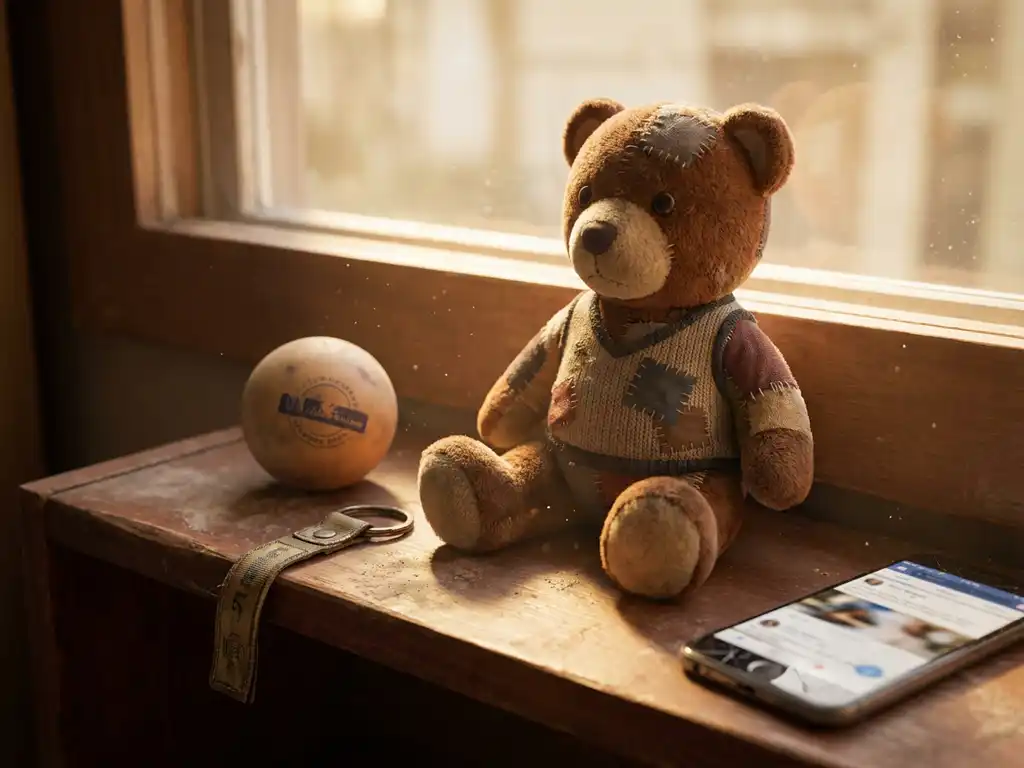
In a world where a social media post disappears from a feed within hours, promotional products continue to deliver brand impressions day after day, week after week. For marketing managers and brand directors looking to justify every line item in their budget, that staying power matters enormously. Understanding why physical promotional items outperform digital ads in longevity can fundamentally change how you approach your next brand campaign.
The comparison between tangible merchandise and digital content is not just about format—it is about how people interact with objects versus how they scroll through screens. Let us break down the key questions that every brand professional should be asking before deciding where to invest next.
Why do promotional products last longer than social media posts?
Promotional products last longer than social media posts because they occupy physical space in a person’s daily life. A branded item sitting on a desk, hanging from a keychain, or resting in a bag is seen repeatedly, without any algorithm deciding whether to show it. A social media post, by contrast, has an average organic lifespan measured in hours before it is buried by new content.
Physical objects create what behavioural researchers call “endowment value”—people attach meaning to things they can hold and use. When someone receives a well-made promotional item, they tend to keep it, use it, and associate positive feelings with the brand that gave it to them. That emotional connection simply does not form in the same way from a sponsored post that disappears between cat videos and news updates.
There is also a practical dimension. Digital ads require continuous spending to maintain visibility. The moment you stop paying, the impressions stop. A promotional product, once produced and distributed, keeps working for months or even years without any additional investment.
What makes a promotional product effective for brand recall?
A promotional product is effective for brand recall when it is useful, well made, and relevant to the recipient’s daily routine. Usefulness is the single most important factor—an item someone reaches for regularly keeps the brand top of mind with zero additional effort from the marketing team.
Several qualities determine whether a promotional item will be kept or discarded:
- Utility: Items that solve a small everyday problem get used consistently.
- Quality: A durable, well-crafted product reflects positively on the brand behind it.
- Relevance: Merchandise that fits the recipient’s lifestyle or interests earns a permanent spot in their environment.
- Visual appeal: Bold, accurate branding with strong colour matching ensures the logo remains recognisable over time.
- Tactile experience: Items people physically interact with—squeezing, clicking, writing with—create repeated sensory associations with the brand.
When all of these qualities come together in a single product, the result is a miniature brand ambassador that works silently and consistently wherever it goes.
How many times can one promotional product deliver a brand impression?
A single promotional product can deliver hundreds or even thousands of brand impressions over its lifespan, depending on how often it is used and how visible it is to others. An item used daily in a shared space—like an office, gym bag, or reception desk—generates impressions not just for the owner but for everyone who sees it.
Consider a stress ball on someone’s desk. A person in an open-plan office might interact with it multiple times a day, and colleagues, visitors, and clients walking past will notice the brand on it too. Multiply that across an entire distribution of items, and the cumulative reach of a single production run can rival a substantial digital ad campaign—without the recurring cost.
The key insight is that promotional products generate passive impressions. Unlike a digital ad that requires active attention, a physical item is simply present. It does not need to compete for attention in the same way; it earns it naturally through repeated exposure in the recipient’s environment.
What types of promotional products have the longest lifespan?
The promotional products with the longest lifespan are those used regularly in everyday settings. Items integrated into daily routines outlast novelty products that get used once and forgotten. The format, material quality, and relevance to the recipient all play a role in how long a product stays in active use.
Products consistently associated with a long lifespan include:
- Desk accessories and stress-relief items: Kept within arm’s reach during working hours, generating impressions throughout the workday.
- Bags and totes: Carried in public spaces, delivering brand impressions to a wide and varied audience.
- Drinkware: Reusable bottles and mugs used daily at home, in the office, and at the gym.
- Apparel: Branded clothing worn repeatedly extends the reach of a brand into social and public settings.
- Keychains and lanyards: Small but ever-present, attached to items people never leave the house without.
- Custom plush toys and mascot merchandise: Particularly effective for brands with a strong character identity, these items are often kept for years.
The common thread across all long-lasting promotional products is that they serve a purpose beyond just carrying a logo. When a product earns its place in someone’s life, the brand it represents earns a lasting presence too.
How do promotional products compare to social media ads for ROI?
Promotional products often deliver stronger long-term ROI than social media ads when measured on a cost-per-impression basis over the full lifespan of the item. While digital ads offer precise targeting and immediate reach, their cost accumulates continuously, and their impact ends the moment the budget runs out.
The ROI comparison shifts significantly when you factor in longevity. A social media ad campaign requires ongoing investment to maintain visibility. A batch of high-quality promotional products, once distributed, continues generating impressions for months or years at no additional cost. The upfront investment is higher, but the total cost per impression over time tends to be considerably lower.
There is also a qualitative dimension to consider. Promotional products create a tangible, positive experience that digital ads rarely replicate. Receiving a well-made branded item generates goodwill that a banner ad simply cannot. That goodwill translates into stronger brand affinity, a higher likelihood of recommendation, and deeper customer loyalty—all outcomes that are difficult to achieve through digital advertising alone.
The smartest brand strategies do not treat this as an either/or decision. Promotional products and digital advertising serve different roles in the customer journey, and combining them often produces better results than relying on either channel exclusively.
When should a brand invest in promotional products over digital ads?
A brand should prioritise promotional products over digital ads when the goal is long-term brand recall, relationship building, or creating a memorable physical touchpoint at a specific event or moment. Promotional merchandise is especially powerful when you want to reward loyalty, make a lasting impression at trade shows, or turn customers into visible brand advocates.
Specific situations where promotional products outperform digital advertising include:
- Trade shows and industry events where standing out in a crowded environment is critical.
- Corporate gifting programmes where the goal is to strengthen existing relationships.
- New product launches that benefit from a tangible, shareable experience.
- Employee engagement initiatives where branded merchandise builds internal culture.
- Campaigns targeting a defined audience that will carry or use the item in public spaces.
Digital ads excel at generating immediate awareness and driving measurable clicks. But when a brand needs to create a lasting emotional connection, build community, or ensure visibility in a physical space over an extended period, promotional products are the stronger investment. The two channels work best in combination—digital to reach, physical to retain.
How Promo Bears helps you maximise the lifespan of your promotional products
We specialise in creating promotional products that people actually want to keep. From custom mascot costumes and plush toys to custom stress balls built entirely around your brand’s unique design, every product we produce is crafted to deliver lasting impressions rather than ending up in a drawer.
Our custom stress balls are a standout example of how a small item can do serious brand work over time. Here is what makes them different:
- Fully custom shapes based on your own logo, mascot, or product concept—no generic moulds.
- Precise PMS colour matching to ensure your brand identity is represented accurately.
- Built from durable, high-quality PU foam that holds its shape and colour over time.
- Every order starts with free concept artwork and includes unlimited revisions before production begins.
- A dedicated project manager guides your order from the first sketch to final delivery.
Production takes 10 to 12 weeks after design approval, with rush options available for time-sensitive campaigns. Whether you are preparing for a trade show, a product launch, or a long-term brand awareness initiative, we are ready to help you create something memorable.
Request your free quote today and let us show you what a truly custom promotional product can do for your brand.