
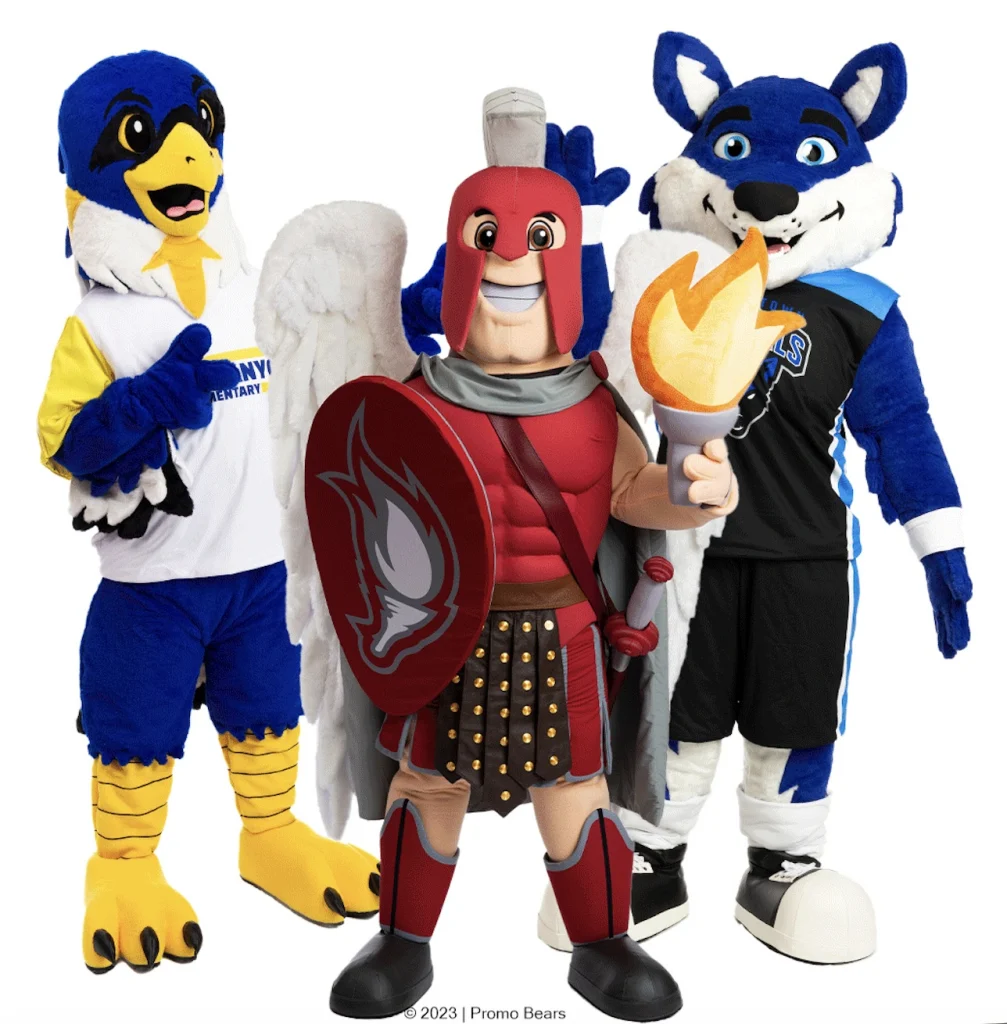
Yes, most brands benefit from having a mascot. A well-designed brand mascot gives your organization a recognizable face, a consistent personality, and a powerful emotional hook that logos and taglines alone rarely achieve. For companies in competitive markets where standing out matters, a mascot is not just a fun extra — it is a strategic asset that drives real business results.
Whether you are a sports team, a retailer, a university, or a corporate brand, a mascot creates a human connection between your organization and your audience. The sections below break down exactly what a mascot does, which brands benefit most, and how to know when you are ready to invest in one.
What does a mascot actually do for a brand?
A brand mascot acts as the living embodiment of your brand identity. It translates abstract values — energy, trust, friendliness, innovation — into a tangible character that people can see, interact with, and remember. A mascot creates emotional connections that traditional advertising often struggles to build, and it does so consistently across every touchpoint where your brand shows up.
Beyond recognition, a mascot serves several practical functions for a brand:
- It gives marketing campaigns a consistent visual anchor that audiences recognize instantly
- It humanizes your brand, making it more approachable and relatable
- It creates shareable, memorable moments at events, on social media, and in retail environments
- It builds loyalty by giving fans, customers, and supporters something to rally around
- It extends your brand into merchandise, from plush toys and stickers to inflatables and costumes
A great mascot does not just represent your brand — it amplifies it. Every appearance, whether at a trade show, a school event, or a stadium, reinforces who you are and what you stand for.
Which types of brands benefit most from a mascot?
Almost any brand can benefit from a mascot, but organizations in people-facing industries tend to see the greatest impact. Sports teams, universities, retailers, food and beverage brands, entertainment companies, and nonprofits are among the strongest candidates. These are environments where emotional connection and community identity already matter deeply, and a mascot accelerates both.
Corporate brands in sectors like hospitality, healthcare, and financial services also benefit significantly. A mascot softens the perception of a large or complex organization, making it feel more human and trustworthy. For B2B companies, a mascot can help you stand out at trade shows and industry events where most competitors look and sound the same.
The common thread is audience engagement. If your organization needs to attract attention, build loyalty, or make a memorable impression, a brand mascot is one of the most effective tools available.
How does a mascot improve brand recognition?
A mascot improves brand recognition by giving your audience a distinctive visual character to associate with your organization. Humans are wired to remember faces and personalities far more easily than abstract symbols or text. A well-designed mascot becomes a mental shortcut — the moment someone sees it, they think of your brand without needing to read a single word.
Consistency is the engine behind this effect. A mascot that appears across your website, social media, events, merchandise, and advertising creates repeated impressions that compound over time. Each encounter reinforces the association between the character and your brand, building the kind of deep familiarity that turns casual awareness into genuine brand loyalty.
Mascots also travel. When your character appears on a custom plush toy, a stress ball, or a giant inflatable at an outdoor event, it carries your brand into spaces and conversations that traditional advertising cannot reach. That organic visibility is one of the most cost-effective forms of brand recognition a marketing budget can buy.
Can a mascot increase revenue and customer engagement?
Yes, a brand mascot can directly increase revenue and customer engagement. Mascots drive merchandise sales, boost foot traffic at events, encourage social media sharing, and create the kind of memorable brand experiences that turn first-time customers into repeat buyers. The return on investment comes from multiple channels simultaneously, which makes mascot programs one of the more versatile marketing investments available.
On the engagement side, a mascot gives your audience something to interact with beyond a product or a logo. At live events, a costumed mascot draws crowds, creates photo opportunities, and generates organic word-of-mouth. Online, a mascot character provides a consistent, recognizable presence that fans and customers actively engage with and share.
Merchandise is another powerful revenue driver. A beloved mascot character translates naturally into products that people want to own — plush toys, keychains, stickers, and apparel. These items generate direct sales while also turning customers into walking brand ambassadors, extending your reach far beyond what a paid campaign can achieve.
What are the signs a brand is ready for a mascot?
A brand is ready for a mascot when it has a clear identity, an audience that values connection, and a commitment to using the mascot consistently across multiple channels. If your organization is struggling to differentiate itself in a crowded market, or if your audience engagement feels flat despite solid marketing efforts, a mascot is often the missing element that transforms passive awareness into active enthusiasm.
Here are the key signs that point to mascot readiness:
- Your brand has a defined personality that can be translated into a visual character with consistent traits and energy
- You have an audience that responds to emotion, whether that is school spirit, sports fandom, brand loyalty, or community identity
- You attend live events or activations where a physical presence would create impact and drive engagement
- You want to expand into branded merchandise and need a recognizable character to anchor the product line
- You are ready to invest in quality and understand that a well-made mascot is a long-term brand asset, not a one-time expense
If several of these apply to your organization, the timing is right. Brands that commit to a mascot with a clear strategy behind it consistently see stronger engagement and a more memorable presence than those relying on conventional marketing alone.
How do you get a custom mascot made for your brand?
Getting a custom brand mascot made starts with finding a specialist who understands both character design and production quality. The process typically begins with a concept illustration based on your logo, existing character, or design idea. From there, the design goes through revisions until it perfectly captures your brand’s personality, and production begins only once you are fully satisfied with the result.
A professional mascot production process includes several key stages: initial concept development, design refinement and approval, material selection, costume construction, quality control, and final delivery. Working with an experienced team ensures that the finished mascot is not only visually accurate but also comfortable to wear, easy to maintain, and built to last through repeated use at events and activations.
The timeline is an important planning consideration. A custom mascot costume typically takes 12 to 16 weeks from design approval to delivery, so building that lead time into your event or campaign calendar is essential. If you also want supporting merchandise like plush toys, stickers, or giant inflatables to accompany your mascot launch, those products have their own production timelines and can often be developed in parallel.
How Promo Bears helps you bring your brand mascot to life
We specialize in turning brand identities into fully realized mascot programs, from the first sketch to the final product. With over 19 years of experience and more than 4,000 custom mascots created for clients including NASA, Amazon, Walmart, and Red Bull, we know what it takes to produce a mascot that performs as hard as your brand does.
Here is what working with us looks like:
- Free concept illustration based on your logo or design idea, with unlimited revisions and zero upfront commitment
- Expert mascot costume production with lifelike 3D eyes, a built-in ventilation system, and a comfortable, easy-to-clean build ready in 12 to 16 weeks
- Custom stress balls shaped to your design with PMS color matching and full-color print options, produced in 10 to 12 weeks
- A full range of branded merchandise including plush toys, giant inflatables, keychains, stickers, and more to build out a complete mascot product line
- A dedicated project manager who oversees every stage from concept to delivery, keeping your project on time and on brand
Whether you are launching a mascot for the first time or expanding an existing character into a full merchandise program, we are your 360° mascot partner from start to finish. Ready to see what your brand mascot could look like? Get your free concept illustration and let’s bring your brand to life.
Frequently Asked Questions
How much does a custom brand mascot typically cost?
The cost of a custom mascot varies depending on the complexity of the design, the materials used, and the scope of the project. A professional mascot costume generally ranges from a few thousand dollars to significantly more for highly detailed or large-scale builds. While the upfront investment may seem substantial, it is important to think of a quality mascot as a long-term brand asset — one that will represent your organization at hundreds of events and activations over many years, making the cost-per-impression extremely competitive compared to traditional advertising.
What if my brand doesn't have a character yet — can a mascot still be created from scratch?
Absolutely. Many brands come to the mascot creation process without an existing character, and that is perfectly fine. A skilled mascot design team can develop a concept from scratch using your brand’s colors, values, personality, and target audience as the creative foundation. The process typically starts with exploratory concept illustrations that translate your brand identity into a visual character, giving you multiple directions to choose from before committing to a final design.
How do I make sure my mascot stays relevant and doesn't feel outdated over time?
The key to mascot longevity is designing with timelessness in mind from the start — avoiding overly trendy visual styles in favor of a strong, distinctive character with broad appeal. Periodic refreshes, similar to how major brands like the Geico Gecko or Tony the Tiger have evolved subtly over decades, can keep a mascot feeling current without losing the recognition equity you have built. Keeping your mascot active across new channels — social media, digital content, new merchandise formats — also helps it stay culturally relevant and top of mind for your audience.
Can a mascot work for a B2B brand, or is it mainly for consumer-facing companies?
Mascots can be highly effective for B2B brands, particularly in environments like trade shows, industry conferences, and corporate events where standing out from a sea of similarly professional competitors is a real challenge. A well-designed mascot gives a B2B company an immediate visual differentiator, draws foot traffic to exhibition booths, and creates memorable interactions that decision-makers carry with them long after the event ends. The key is designing a character that reflects the professionalism and credibility of your brand while still being engaging and approachable.
What common mistakes should brands avoid when launching a mascot?
The most common mistake is treating a mascot as a one-time novelty rather than a long-term brand investment — deploying it once and then letting it sit in a closet. A mascot only builds recognition and emotional connection through consistent, repeated exposure across multiple touchpoints. Other pitfalls include choosing a design that does not authentically reflect the brand’s personality, underinvesting in production quality (which can result in a costume that looks unprofessional in photos and at events), and failing to plan a supporting merchandise strategy that extends the character’s reach beyond live appearances.
How should I introduce a new mascot to my audience for maximum impact?
A strong mascot launch treats the character like a real personality entering the public stage. Build anticipation with a teaser campaign on social media before the official reveal, then debut the mascot at a high-visibility event or activation where it can interact directly with your audience. Pair the launch with a full suite of branded merchandise — plush toys, stickers, keychains — so fans have something tangible to take home from day one. Giving the mascot its own social media presence or a featured role in your content strategy from the start helps establish it as a genuine brand personality rather than a background prop.
How do I maintain and care for a mascot costume to protect the investment?
Proper maintenance is essential for keeping a mascot costume looking sharp and extending its lifespan through years of use. Most professional costumes are designed with removable, washable components to make cleaning straightforward after events. Storing the costume properly — in a cool, dry environment away from direct sunlight, ideally in a dedicated carrying case — prevents material degradation between uses. It is also worth establishing a regular inspection routine to catch any wear, loose seams, or hardware issues early, as minor repairs addressed promptly are far less costly than major refurbishments down the line.