
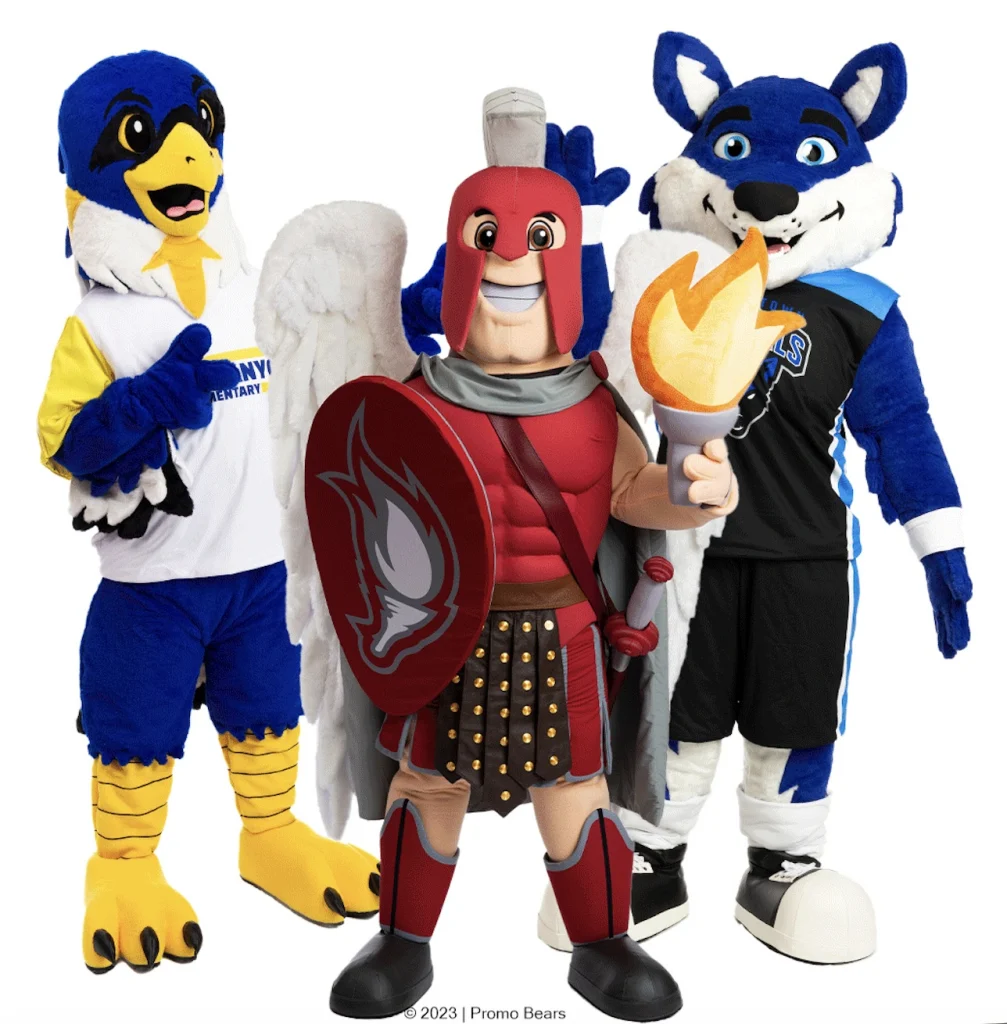
A business mascot is most commonly called a brand mascot or corporate mascot. These terms refer to a character, figure, or symbol that visually represents a company’s identity, values, and personality. Whether it’s a cartoon animal, a humanized product, or a costumed character, a brand mascot gives a business a recognizable face that audiences can connect with emotionally. This article walks through the most common questions marketers and brand directors ask when exploring mascots for their organization.
What are the different names used for a business mascot?
A business mascot goes by several names depending on the context and industry. The most widely used terms are brand mascot, corporate mascot, company mascot, and promotional mascot. In sports and entertainment, you’ll also hear team mascot or event mascot. All of these terms describe the same core concept: a character that embodies and promotes an organization’s identity.
Some companies use more specific terminology based on how the mascot functions. A mascot that appears primarily in advertising may be called a marketing mascot or advertising character. When the character is brought to life through a wearable costume, it’s often referred to as a mascot character or costume character. In retail and hospitality settings, you might hear the term brand character used interchangeably.
The terminology matters less than the strategy behind it. Whether your organization calls it a brand mascot, a promotional character, or simply “the face of your brand,” the goal is the same: to create an instantly recognizable symbol that builds loyalty and drives engagement across every touchpoint.
What is the difference between a brand mascot and a brand ambassador?
A brand mascot is a fictional or stylized character created specifically to represent a company, while a brand ambassador is typically a real person, often a celebrity, athlete, or influencer, who publicly endorses and promotes the brand. The key distinction is that a mascot is owned entirely by the company and never has conflicting loyalties, whereas a brand ambassador is an independent individual with their own public image.
Brand mascots offer a unique strategic advantage: they are completely controllable. A mascot never has a scandal, never switches to a competitor, and never ages out of relevance unless the brand chooses to evolve it. A well-designed mascot can remain consistent across decades of marketing, creating deep, lasting brand recognition.
Brand ambassadors, on the other hand, bring authenticity and personal influence. They work particularly well for reaching specific audience segments quickly, especially through social media. However, they require ongoing contracts, and the relationship depends on the individual’s continued public appeal.
Many successful brands use both. A brand mascot anchors the long-term identity, while brand ambassadors generate short-term buzz around campaigns or product launches. For organizations focused on building a consistent, scalable brand presence, a mascot is often the more durable investment.
What types of mascots do businesses use?
Businesses use a wide variety of mascot types, each suited to different brand personalities and audience expectations. The most common categories include animal characters, humanized product characters, fantasy or mythical figures, and human-inspired characters. The right type depends on the brand’s tone, target audience, and the emotional connection it wants to create.
- Animal mascots: Among the most popular choices, animals are naturally expressive and easy for audiences to warm up to. Bears, lions, eagles, and dogs are frequently used because they carry strong symbolic associations like strength, loyalty, or friendliness.
- Humanized product mascots: These characters take a product or ingredient and give it a face and personality. Think of characters built around a food item, a vehicle, or even a logo shape brought to life.
- Fantasy or mythical characters: Dragons, superheroes, and invented creatures work well for brands that want to communicate power, innovation, or imagination.
- Human-inspired characters: Stylized human figures or profession-based characters (a chef, an athlete, a scientist) help brands in service industries communicate expertise and relatability.
- Logo-based mascots: Some companies evolve their existing logo into a mascot character, ensuring perfect brand alignment from the very first sketch.
Across all categories, the most effective mascots share one quality: they feel authentic to the brand. A mascot that reflects the company’s real values and personality resonates far more deeply than one chosen purely for visual appeal.
Why do companies invest in a named mascot character?
Companies invest in a named brand mascot because a character with a name becomes a personality, and personalities build relationships. When a mascot has a name, it transforms from a visual symbol into a recognizable entity that audiences remember, talk about, and seek out. Named mascots are significantly easier to integrate into storytelling, social media content, and live events.
From a marketing perspective, a named mascot creates consistency across every channel. Whether the character appears on packaging, at a trade show, in a video ad, or at a school visit, the name anchors the experience and reinforces brand recall. This consistency is one of the most valuable assets a brand can build over time.
Named mascots also generate word of mouth organically. When fans, customers, or students feel connected to a character, they naturally share it, photograph it, and talk about it. That kind of earned attention is difficult to achieve through traditional advertising alone.
For organizations that serve communities, such as sports teams, universities, or non-profits, a named mascot creates a sense of shared identity. It becomes a rallying point that unifies supporters and strengthens community bonds in ways that logos and slogans rarely achieve on their own.
How do you create a custom mascot for your business?
Creating a custom brand mascot for your business follows a clear process that moves from concept to a finished character. The most important starting point is defining what your mascot needs to communicate: your brand values, your target audience, and the tone you want to set. From there, the creation process typically unfolds in five stages.
- Define your brand character: Before any design begins, clarify the personality traits, values, and visual style your mascot should reflect. Is it bold and energetic, or warm and approachable? Should it feel professional or playful?
- Develop a concept illustration: A professional designer translates your brief into an initial visual concept. This is where the mascot’s look, proportions, colors, and personality come to life for the first time. Revisions at this stage are critical, so work with a partner who offers unlimited adjustments until the design is exactly right.
- Finalize the design: Once the illustration is approved, the design is locked in. Every detail, from PMS color matching to facial expression, is confirmed before production begins.
- Choose your mascot formats: A mascot can be produced in multiple formats simultaneously. A custom mascot costume brings the character to life at events, while plush toys, stickers, and inflatables extend the mascot’s reach across merchandise and marketing materials.
- Production and delivery: Depending on the product type, timelines vary. Mascot costumes typically take 12 to 16 weeks, giant mascot inflatables take 3 to 4 weeks, and mascot stickers are ready in approximately 4 weeks. Planning ahead ensures your mascot is ready for your key campaign dates.
The most successful mascot projects treat the character as a long-term brand asset, not a one-off project. Investing in quality at every stage of creation pays dividends in brand recognition and audience engagement for years to come.
How Promo Bears helps you bring your brand mascot to life
We specialize in turning brand ideas into fully realized mascot characters that work across every format your marketing demands. Whether you need a wearable costume for live events, a giant inflatable for your next activation, or a full range of branded merchandise, we handle everything from the first sketch to final delivery.
Here is what makes working with us different:
- Every project starts with a free concept illustration based on your logo or design idea, with unlimited revisions until the result is exactly what you envisioned
- A dedicated project manager oversees your order from design approval through to shipping
- Mascot costumes feature lifelike 3D eyes, a built-in ventilation system, and are built for comfort and durability
- We produce a full ecosystem of mascot products, including plush toys, stress balls, keychains, inflatables, and more, so your character shows up consistently everywhere
- With over 4,000 mascots created for clients ranging from NASA and Amazon to local schools and sports teams, we bring proven expertise to every brief
If you are ready to give your brand a face that people will remember, we would love to help you get started. Request your free quote today and take the first step toward a mascot that works as hard as your brand does.
Frequently Asked Questions
How much does it typically cost to create a custom brand mascot?
The cost of a custom brand mascot varies depending on the formats you need. A professionally designed mascot costume generally ranges from a few thousand dollars to over $10,000, depending on complexity, materials, and features like ventilation systems or animatronic elements. Merchandise formats like plush toys, inflatables, and stickers are typically more affordable and can be produced at scale. The best approach is to request a free quote early in your planning process so you can budget accurately across all the formats your brand needs.
How do I know which type of mascot is the right fit for my brand?
Start by mapping your mascot choice to your brand’s core personality and your target audience’s expectations. If your brand is built around trust and approachability, an animal mascot like a bear or dog tends to resonate well. If you’re in a technical or innovative industry, a fantasy or profession-based character might better communicate your expertise. A good mascot design partner will walk you through a discovery process to align the character’s look, tone, and personality with your existing brand identity before a single sketch is drawn.
Can I trademark or legally protect my brand mascot?
Yes, and it’s strongly recommended. A custom brand mascot can be protected as intellectual property through trademark registration for the character’s name and likeness, and through copyright for the original artwork. This prevents competitors from using similar characters and gives your brand exclusive ownership of the asset. You should work with an intellectual property attorney to file the appropriate protections once your mascot design is finalized and approved.
What are the most common mistakes businesses make when creating a mascot?
The most common mistake is designing a mascot based on visual appeal alone, without grounding it in brand strategy. A mascot that looks great but doesn’t reflect the company’s values or connect with its target audience will feel disconnected and fail to build lasting recognition. Other frequent pitfalls include choosing overly complex designs that don’t scale well across different formats, skipping the naming and backstory process, and treating the mascot as a one-off project rather than a long-term brand asset. Investing time in the concept and strategy phase upfront saves significant cost and rework later.
How should I introduce and launch a new mascot to my audience?
A mascot launch works best when it’s treated like a campaign, not just an announcement. Start by building anticipation through teaser content on social media before the full reveal, then introduce the mascot with a clear story that explains who the character is and what it represents. Live events, where the mascot can interact directly with your audience in costume, are one of the most effective launch formats because they create memorable, shareable moments. Following the launch, integrate the mascot consistently across your website, packaging, social channels, and marketing materials to build recognition quickly.
Can an existing logo be turned into a mascot character?
Absolutely, and this is often one of the most brand-aligned approaches available. Logo-based mascots take your existing visual identity and give it dimension, personality, and expression, ensuring the character feels like a natural extension of your brand rather than something bolted on. The process typically involves a designer analyzing your logo’s shapes, colors, and visual style, then translating those elements into a character with a face, posture, and personality. The result is a mascot that your existing audience recognizes immediately and new audiences associate directly with your brand.
How do I keep my mascot relevant and engaging over the long term?
The key to mascot longevity is consistency paired with strategic evolution. Keep the core character design stable so audiences build strong recognition over time, but refresh how the mascot is used through seasonal campaigns, limited-edition merchandise, social media content series, and appearances at new events. Giving the mascot a defined personality and backstory also creates ongoing storytelling opportunities that keep audiences engaged. Brands that treat their mascot as a living part of their marketing strategy, rather than a static graphic, consistently see stronger audience connection and brand recall year over year.