
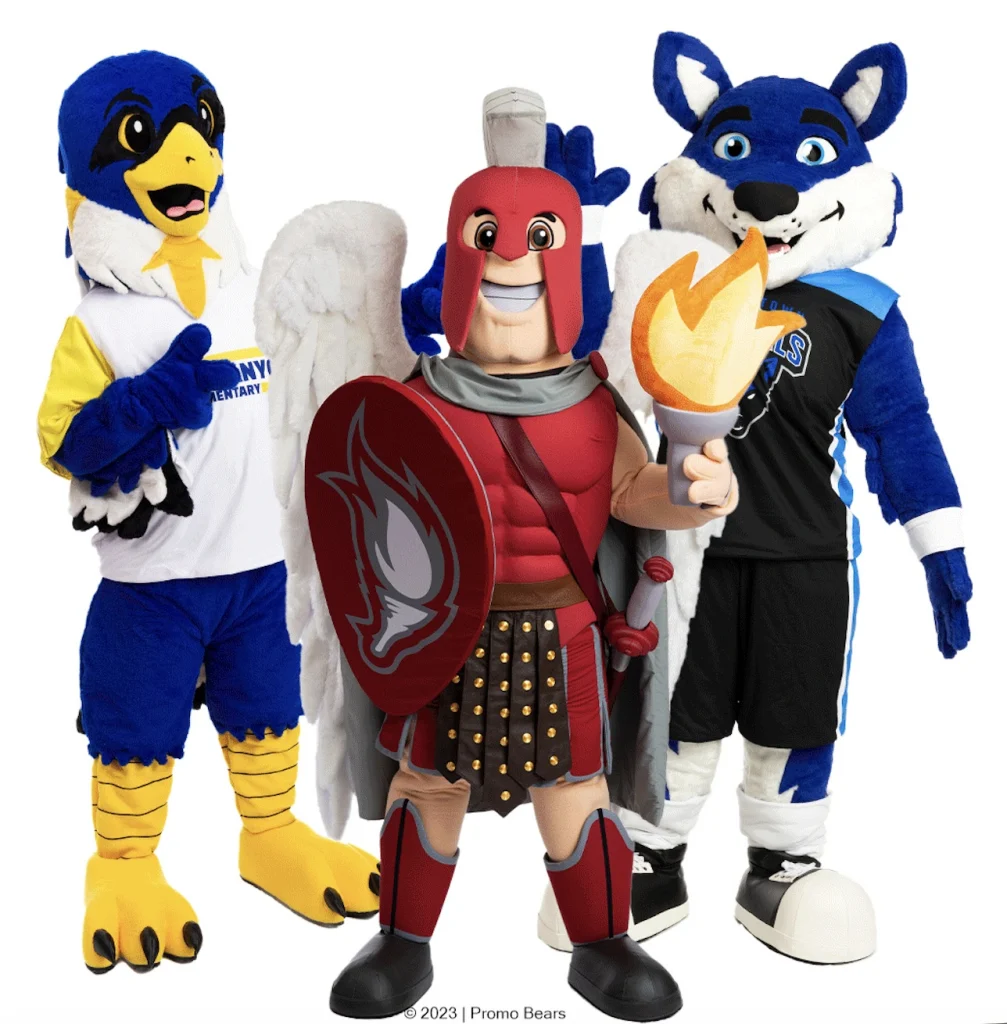
Before a mascot designer can start working on your project, they need a clear picture of your brand, your goals, and the character you have in mind. The more specific and complete the information you share upfront, the faster the design process moves and the closer the first concept will be to what you actually want. This article walks through every key question a designer will ask so you can show up prepared.
What information does a mascot designer need about your brand?
A mascot designer needs your brand name, logo files, color palette, and a clear sense of your brand’s identity before putting pencil to paper. Without this foundation, even the most talented designer is guessing. Your mascot needs to feel like a natural extension of your brand, not a character that could belong to anyone.
Start by sharing your official logo in a vector format if you have one. Your brand colors matter too, and if you have specific PMS or hex codes, include them. A designer working from vague color descriptions like “kind of a teal blue” will spend unnecessary rounds of revisions chasing the right shade.
Beyond the visual assets, think about who your audience is. A mascot for a children’s sports league looks and feels very different from one representing a corporate tech firm or a university athletics program. Give your designer a clear picture of who the mascot is going to connect with, and the design will reflect that from the very first concept.
- Brand name and logo files (vector preferred)
- Official brand colors with PMS or hex codes if available
- A short description of your brand’s identity and values
- Your target audience and the demographic you want the mascot to appeal to
- Examples of mascots or characters you admire, even from other brands
What is the mascot going to be used for?
The intended use of your mascot directly shapes how it gets designed and produced. A mascot built for live event appearances needs to function as a wearable costume with comfort and ventilation in mind. A mascot used primarily for digital marketing, merchandise, or social media content requires a very different approach.
Be upfront about whether you need a physical costume, a digital character, branded merchandise like plush toys or stress balls, or a combination of all three. If you are planning to use the mascot at trade shows, sporting events, or school appearances, the designer needs to account for wearability, visibility, and practical details like how long someone will be wearing it and under what conditions.
If the mascot will appear across multiple formats, say that early. A character designed for a costume can often be adapted into a plush toy or inflatable, but that is much easier to plan for when it is part of the original brief rather than an afterthought.
Does a mascot designer need a character concept or sketch upfront?
No, you do not need to provide a finished sketch or detailed character concept before working with a mascot designer. Most designers can work from a description, a logo, or even a rough idea. What matters more is that you can articulate the feeling and direction you want, not that you can draw it yourself.
That said, if you do have reference images, rough sketches, or examples of characters you like, share them. Visual references are incredibly useful because they communicate things that words sometimes cannot. If you love a particular style, level of realism, or type of expression, showing an example is faster and clearer than describing it.
If you have nothing visual at all, that is completely fine. A good designer will ask the right questions and translate your answers into a concept illustration. The goal of that first illustration is to get everyone aligned before any serious production work begins.
How do you describe a mascot’s personality to a designer?
Describing a mascot’s personality works best when you think in terms of human character traits and emotional qualities rather than abstract brand language. Words like “energetic,” “approachable,” “fierce,” “playful,” or “trustworthy” give a designer something concrete to work with when shaping the character’s expression, posture, and overall feel.
Think about how you want people to feel when they see the mascot. Should it make kids laugh and feel welcome? Should it project confidence and strength for a sports team? Should it feel warm and friendly for a community organization? The emotional response you want to create is the personality brief your designer actually needs.
It also helps to think about what the mascot should never feel like. If you want something fun and approachable, saying “not intimidating or aggressive” gives the designer a useful boundary. Knowing what you want to avoid is just as valuable as knowing what you want to achieve.
What budget and timeline details should you share with a mascot designer?
Sharing your budget range and deadline upfront saves everyone time and prevents disappointment later in the process. A designer who knows your budget can immediately tell you what is realistic and what options are available to you. A designer who does not know your budget may develop concepts that are out of scope or miss opportunities to suggest better solutions within your range.
On the timeline side, be specific about your hard deadline. If you need the mascot for an event, a product launch, or a campaign kickoff, work backward from that date. Custom mascot costumes typically take 12 to 16 weeks from design approval to delivery, so planning ahead is important. If your deadline is tighter, ask about rush options early rather than after the design process is already underway.
If you are also planning to order branded merchandise alongside a costume, keep in mind that different products have different lead times. Plush toys generally take 12 to 18 weeks, while smaller items like enamel pins or keychains can be ready in 3 to 6 weeks. Stress balls run 10 to 12 weeks. Knowing these windows upfront helps you sequence your order so everything arrives when you need it.
What happens after you give a mascot designer everything they need?
Once a mascot designer has all the information they need, the next step is a free concept illustration based on your brief. This initial design gives you something visual to react to, and from there the process moves into revisions until the character looks exactly right. Production only begins once you have signed off on the final design.
During production, a dedicated project manager oversees every stage of the process and keeps you updated. When the mascot is complete, a thorough quality check is carried out, and result photos are shared with you for final approval before anything is packed and shipped.
How Promo Bears helps you get your mascot design right
We have been through this process thousands of times, and we know that the best results come from a clear, well-prepared brief. At Promo Bears, we make it easy to get started even if you do not have everything figured out yet.
- Free concept illustration based on your logo or design idea, with no upfront commitment
- Unlimited revisions until the design is exactly what you want
- A dedicated project manager who guides you from first brief to final delivery
- Custom mascot costumes with 3D realistic eyes, built-in ventilation, and a comfortable fit
- A full range of mascot merchandise including plush toys, stress balls, inflatables, and more
- Over 19 years of experience and more than 4,000 mascots created for brands, schools, and organizations across North America and beyond
Whether you have a detailed brief ready or just a rough idea, we are here to help you shape it into something great. Get your free quote and let us bring your mascot to life.
Frequently Asked Questions
Can I request changes to the mascot concept after the first illustration is delivered?
Yes, revisions are a normal and expected part of the mascot design process. Most professional mascot designers, including Promo Bears, offer unlimited revisions on the concept illustration until the design is exactly what you want. The key is to provide clear, consolidated feedback at each stage rather than trickling in small changes one at a time, as this keeps the process moving efficiently and avoids confusion.
What if I want my mascot to look like an existing animal or character — are there copyright concerns I should know about?
Using a common animal species, like a bear, eagle, or wolf, as the basis for your mascot is completely fine and very common. The concern arises when a mascot design closely mimics a specific copyrighted character, such as a well-known cartoon or another brand’s existing mascot. A professional designer will create an original character inspired by your direction rather than copying protected work, so be sure to frame your references as style inspiration rather than a template to replicate.
How many people will typically need to wear the mascot costume, and does that affect the design?
It is worth thinking about this before your brief, because the number of performers and their size range can influence how the costume is built. If multiple people will wear the same costume, a designer may recommend an adjustable fit or a specific sizing approach to accommodate different body types. Letting your designer know upfront whether this is a single-performer or shared costume helps ensure comfort and wearability for everyone who will use it.
What is the biggest mistake brands make when briefing a mascot designer?
The most common mistake is being too vague about the intended use and personality of the mascot while being overly focused on minor visual details. Telling a designer you want u0022something funu0022 without explaining who the audience is, where the mascot will appear, or what emotion it should trigger leaves too much open to interpretation. The more context you provide about purpose and feeling, the less time gets spent on concepts that miss the mark.
Do I need to trademark my mascot, and when should I think about that?
Trademarking your mascot is worth considering, especially if it will become a central part of your brand identity and appear on merchandise or in advertising. It is best to start thinking about this before or during the design process, not after, so that your designer can confirm the final character is sufficiently original and distinct. Consulting a trademark attorney once you have an approved design is the recommended next step, as the process can take several months.
What file formats will I receive when the mascot design is finalized?
A professional mascot designer should deliver your finalized character artwork in vector formats such as AI or EPS, which can be scaled to any size without losing quality and are essential for merchandise production, printing, and future adaptations. PNG files with transparent backgrounds are also standard for digital use. Ask your designer upfront what files are included in the deliverables so you have everything you need for both immediate and long-term use.
Can the mascot design be adapted into different poses or expressions after the original is created?
Yes, and planning for this early can save you significant time and cost down the road. If you know you will need the mascot in multiple poses, such as waving, pointing, jumping, or holding a product, discuss this with your designer at the briefing stage so the character is built with versatility in mind. Some designers offer pose packs or additional illustration rounds as part of their packages, which is far more efficient than commissioning each new pose separately later.