
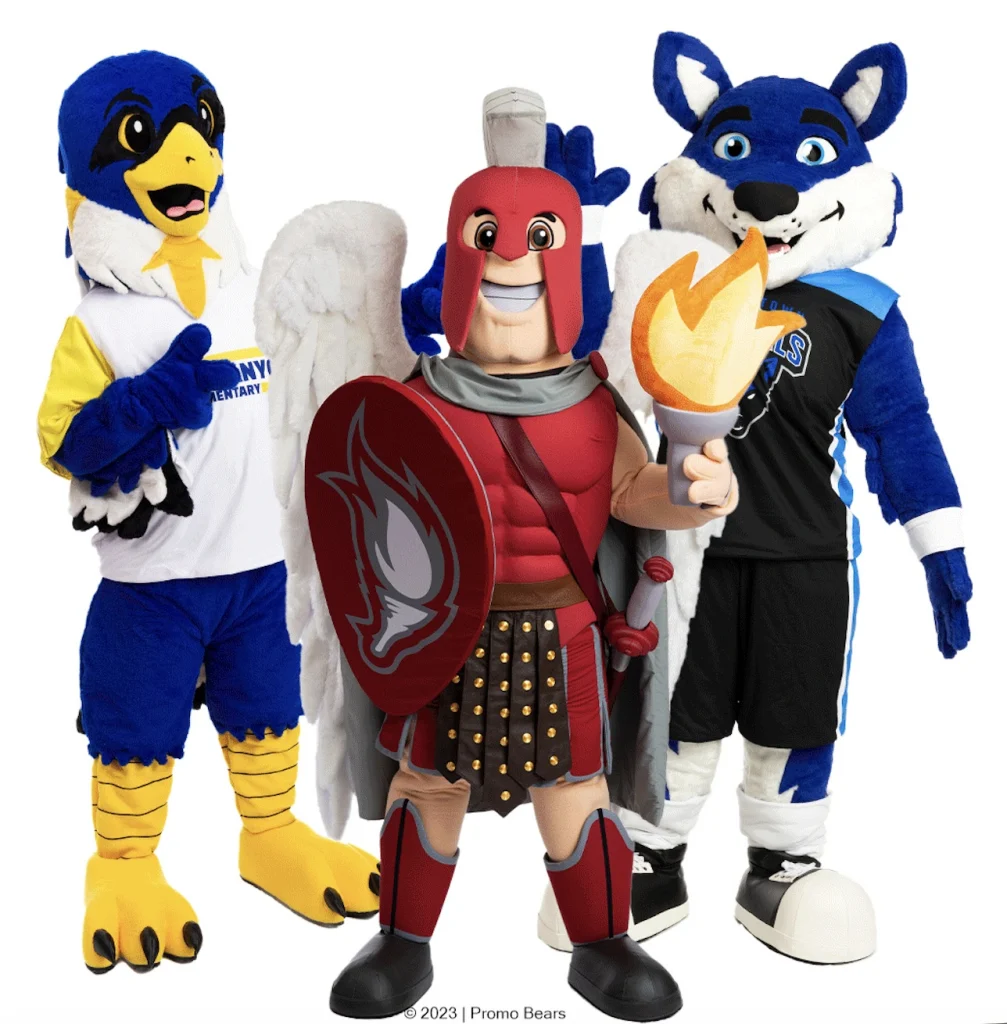
Yes, a mascot strategy can absolutely help a brand enter a new market segment. When a brand moves into unfamiliar territory, a well-designed mascot gives the new audience an immediate, visual point of connection that a logo or tagline alone rarely achieves. The sections below walk through how mascot marketing works in practice, which brands benefit most, and how to measure the results.
How does a mascot help a brand connect with a new audience?
A mascot helps a brand connect with a new audience by giving an abstract company identity a face, a personality, and an emotional tone that people can instantly relate to. Instead of asking a new audience to decode a brand’s values through messaging, a mascot communicates them visually and instinctively, lowering the barrier to engagement from the very first impression.
When a brand enters a segment where it has no existing reputation, trust has to be built from scratch. A mascot accelerates that process because it creates familiarity fast. People are wired to respond to characters and faces, so a custom mascot at a trade show, sporting event, or retail activation draws attention and starts conversations that a banner stand simply cannot.
The mascot also gives marketing teams a consistent, repeatable asset. The same character can appear across a product launch, a social media campaign, a pop-up event, and branded merchandise, keeping the brand experience coherent as it grows into the new segment.
What types of brands benefit most from mascot-led market entry?
Brands in consumer-facing industries benefit most from mascot-led market entry, particularly those in retail, sports, entertainment, food and beverage, and hospitality. These are sectors where emotional connection and brand recognition drive purchasing decisions, and where a new entrant needs to stand out quickly in a space already full of established competitors.
That said, mascot marketing is not limited to consumer brands. Corporate and B2B organizations entering new verticals have used mascots effectively at industry events, in internal culture campaigns, and in co-branded partnerships. A mascot works wherever a brand needs to communicate warmth, approachability, or energy to an audience that does not yet know it.
The brands that get the most from a mascot strategy tend to share a few traits:
- They have a clear, distinct brand personality that a character can embody
- They invest in live events, activations, or experiential marketing
- They plan to use the mascot across multiple touchpoints, not just a single campaign
- They understand that brand recognition builds over time and commit to the character long term
How can a mascot differentiate a brand in a crowded segment?
A mascot differentiates a brand in a crowded segment by making the brand physically present and immediately recognizable in a way that no visual identity system alone can replicate. When every competitor is running digital ads or handing out generic flyers, a custom mascot costume at an event creates a memorable moment that people talk about and share.
Differentiation through a mascot works on two levels. The first is visibility. A well-designed character in a custom mascot costume is a head-turner. It draws foot traffic, generates social media content organically, and gives media and photographers something interesting to capture. The second level is distinctiveness. A mascot built around a brand’s specific identity, values, and aesthetic signals that the brand is serious about its presence in this space, not just testing the waters.
The design of the mascot matters enormously here. A generic character does little to separate a brand from the crowd. A custom mascot designed around the brand’s actual logo, color palette, and personality tells the new audience exactly who they are dealing with, and it does so in a way that is far more engaging than a slide deck or a product brochure.
What mascot formats work best for market expansion campaigns?
For market expansion campaigns, the most effective mascot formats are those that combine high visibility at live events with versatile branded merchandise that keeps the brand in front of the new audience long after the event ends. No single format does everything, so the strongest campaigns typically use a combination.
Here is how the main formats map to different campaign goals:
- Custom mascot costumes are the anchor of any live activation. They create immediate, in-person impact at trade shows, sporting events, grand openings, and brand launches. Production takes 12 to 16 weeks, so planning ahead is important.
- Giant mascot inflatables are ideal for outdoor events, storefronts, and large venues where scale matters. They are ready in 3 to 4 weeks and deliver enormous visual impact for the investment.
- Plush toys work well as premium giveaways or retail merchandise, extending the mascot’s reach into homes and offices. Total production time runs 12 to 18 weeks depending on the delivery method.
- Mascot stickers, keychains, and enamel pins are cost-effective, high-volume items that put the character in the hands of the new audience. Most of these items are ready in 3 to 6 weeks.
The most effective market entry campaigns lead with the costume or inflatable for live impact, then reinforce the character through merchandise that travels home with the audience and keeps the brand visible in daily life.
How do you measure the ROI of a mascot strategy in a new market?
You measure the ROI of a mascot strategy in a new market by tracking brand awareness metrics, engagement rates, and conversion data before and after the mascot is introduced. Because a mascot primarily drives recognition and emotional connection, the most useful indicators are often softer metrics alongside harder sales data.
Practical ways to measure mascot marketing ROI include monitoring social media mentions and user-generated content tied to mascot appearances, tracking foot traffic and dwell time at events where the mascot is present, surveying new customers about how they first encountered the brand, and measuring sales or leads generated in the new segment over the campaign period.
It is also worth tracking the longevity of the investment. A custom mascot costume used at 10 events over two years delivers a very different cost-per-impression than a single-use activation. When you factor in the merchandise, digital content, and earned media the character generates, the total return on a mascot strategy tends to be significantly higher than the upfront production cost suggests.
When should a brand launch its mascot in a new market segment?
A brand should launch its mascot at the moment of maximum visibility in the new segment, which typically means timing the debut to coincide with a flagship event, a product launch, or the opening of a new location. The goal is to introduce the character to the largest possible audience in a context that reinforces what the brand stands for in this space.
Timing also depends on production lead times. A custom mascot costume takes 12 to 16 weeks from design approval to delivery, so the creative and production process needs to start well before the launch date. For a summer campaign or a major industry event in 2026, that means beginning the design conversation now.
Launching too quietly, without a live moment or an audience to receive the mascot, is one of the most common mistakes brands make. The character needs context to land. A debut at a well-chosen event gives the mascot a story, and that story is what the new audience carries with them.
How Promo Bears helps with mascot-led market expansion
If you are planning to enter a new market segment and want a mascot strategy that actually delivers, we make the entire process straightforward. At Promo Bears, we have built over 4,000 custom mascots for brands ranging from global corporations to sports teams and non-profits, and we know what it takes to create a character that connects with a new audience fast.
Here is what working with us looks like:
- A free concept illustration based on your logo or design idea, with unlimited revisions until the design is exactly right
- Custom mascot costumes ready in 12 to 16 weeks, with rush options available
- Giant mascot inflatables ready in 3 to 4 weeks for maximum event impact
- A full range of mascot merchandise, including plush toys, stickers, keychains, and enamel pins, to extend your brand’s reach beyond the event
- A dedicated project manager who handles everything from design to delivery
Whether you need a single mascot costume for a launch event or a complete campaign package across multiple formats, we are set up to deliver it. Get a free quote and tell us about your market expansion plans. We will help you figure out the right mascot strategy for your brand.
Frequently Asked Questions
How much does it typically cost to develop a mascot for a market expansion campaign?
The cost of a custom mascot strategy varies depending on the formats you choose and the scale of your campaign. A custom mascot costume is the largest investment and typically serves as the centerpiece, while supporting items like inflatables, plush toys, and small merchandise add to the overall budget at a much lower per-unit cost. The key framing is total cost-per-impression over the life of the asset: a well-built mascot costume used across dozens of events and campaigns over several years delivers a far lower cost-per-impression than most paid media buys. Requesting a free quote from your mascot partner is the best way to get accurate pricing based on your specific needs.
Can we use our existing logo or brand character as the basis for a mascot, or does it need to be designed from scratch?
Your existing logo or brand character is actually the ideal starting point for a custom mascot, and most professional mascot producers work directly from it. A skilled design team translates your 2D logo or character concept into a three-dimensional, wearable costume or inflatable that stays true to your brand’s colors, shapes, and personality. If your brand doesn’t have an existing character, the design process typically begins with a concept illustration built around your brand identity, values, and the audience you’re trying to reach. Either way, the mascot should feel like a natural extension of your brand, not a separate creative project.
What are the most common mistakes brands make when introducing a mascot to a new market segment?
The most common mistake is launching the mascot without a live moment or a real audience to receive it, such as simply posting the character on social media without any event or activation behind it. A mascot needs context and crowd energy to make a strong first impression. Other frequent missteps include using a generic, off-the-shelf character that doesn’t reflect the brand’s actual identity, underestimating production lead times and missing key launch events, and treating the mascot as a one-off campaign asset rather than a long-term brand investment. Brands that get the most from their mascot commit to it consistently across multiple touchpoints over time.
How do we keep a mascot feeling fresh and relevant after the initial market entry phase?
Keeping a mascot relevant comes down to giving the character an ongoing role in the brand’s marketing calendar rather than retiring it after the launch event. This means scheduling the mascot for seasonal campaigns, new product launches, community events, and social media content throughout the year. Introducing new merchandise formats, limited-edition items, or updated costume accessories can also refresh the character without requiring a full redesign. The brands with the most enduring mascots treat the character as a living part of their marketing team, not a one-time activation prop.
How many people does it take to operate a custom mascot costume at an event, and what logistics should we plan for?
A custom mascot costume typically requires at least two people on-site: the performer inside the costume and a handler who manages crowd interactions, guides the performer safely, and ensures the brand experience stays on-brand and professional. Performers should rotate every 20 to 30 minutes to maintain energy and safety, especially in warm environments, so having a backup performer is strongly recommended for longer events. You’ll also want to plan for a private changing area, water and cooling breaks, and a secure storage space for the costume when it’s not in use. Coordinating these logistics in advance ensures the mascot experience is positive for both the performer and your new audience.
Is a mascot strategy effective for digital and social media campaigns, or is it primarily an in-person tool?
A mascot is highly effective in digital and social media contexts, and the strongest campaigns use the in-person mascot appearances as content-creation opportunities that fuel the brand’s online presence. Photos, short-form videos, and behind-the-scenes content featuring the mascot consistently perform well on platforms like Instagram, TikTok, and LinkedIn because characters are inherently engaging and shareable. User-generated content, where event attendees post their own photos with the mascot, extends reach organically without additional ad spend. Think of live events as the content engine and social media as the amplifier that keeps the mascot working for the brand long after the event ends.
How far in advance should we start planning a mascot strategy for a specific launch event or trade show?
For a custom mascot costume, you should begin the design and production process at least 16 to 20 weeks before your target event date to account for the 12-to-16-week production window plus time for design revisions and shipping. If your campaign also includes plush toys or other merchandise, those timelines run 12 to 18 weeks, so they should be initiated at the same time as the costume. Giant inflatables and smaller branded items like stickers and keychains have shorter lead times of 3 to 6 weeks, giving you more flexibility. The safest approach is to begin the conversation with your mascot partner as soon as your event date is confirmed, so production timelines never become the bottleneck in your launch plan.