
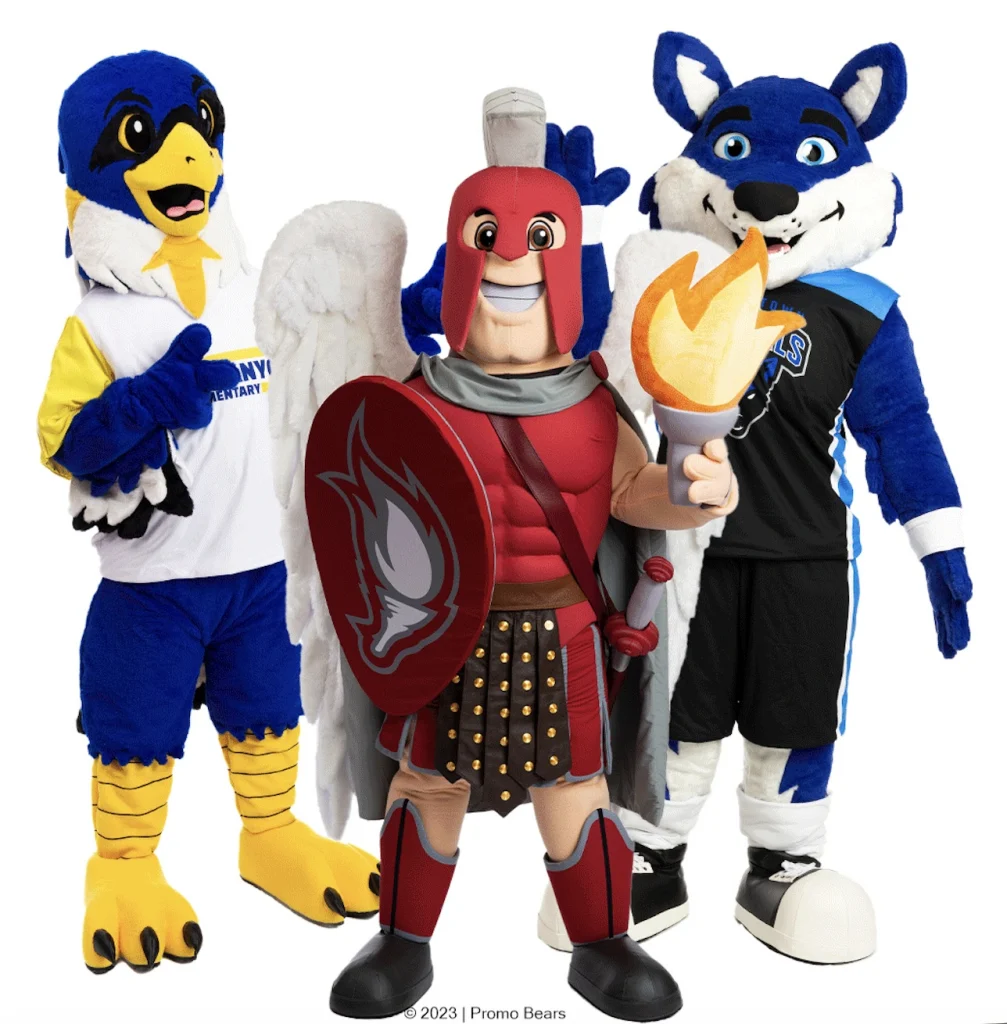
A custom mascot costume connects with young audiences by giving your brand a face, a personality, and a presence that kids and teens instantly respond to. Children are naturally drawn to characters, and a well-designed mascot creates an emotional bridge between your brand and the people you want to reach. The sections below unpack exactly how that connection works and what it means for your brand strategy.
How does a custom mascot costume connect with young audiences?
A custom mascot costume connects with young audiences by turning an abstract brand into a tangible, relatable character. Kids and teens engage with personalities, not logos. When a mascot walks into a room, waves, dances, or poses for a photo, it creates a moment of genuine excitement that no banner ad or social post can replicate. That emotional response is the foundation of real brand connection.
Young people are wired to respond to characters. From animated shows to sports teams, the characters they love feel like friends. A custom mascot costume taps into that same instinct. When your mascot shows up at a school event, a retail activation, or a community fair, children do not see a brand promotion. They see a character worth engaging with, and that engagement sticks.
The physical, in-person nature of a mascot also matters. In a world where so much marketing happens on screens, a mascot costume offers something real and memorable. Kids want to hug it, high-five it, and take photos with it. Those moments become memories, and memories become brand loyalty.
What makes a mascot costume design appealing to kids and teens?
A mascot costume design appeals to kids and teens when it is bold, expressive, and immediately recognizable. The most effective designs for young audiences feature bright colors, oversized friendly features, and a clear personality that reads within seconds. If a child cannot tell whether a mascot is happy, playful, or energetic at a glance, the design needs more work.
Several design elements consistently land well with younger audiences:
- Large, expressive eyes that convey emotion and warmth
- Bright, high-contrast colors that stand out in busy environments
- A clear character archetype such as a friendly animal, a superhero, or a playful creature
- Proportions that feel approachable rather than intimidating, especially for younger children
- A design that translates across formats so the same character works on the costume, on stickers, on plush toys, and on merchandise
Teens respond to mascots differently than younger children do. While kids want warmth and friendliness, teens respond to energy, attitude, and cultural relevance. A mascot targeting a teenage audience benefits from a sharper design, a bolder personality, and a connection to the spaces teens care about, whether that is sports, gaming, music, or streetwear culture.
The key is designing with your specific audience in mind from the very start, not adapting a generic character after the fact.
How can a brand mascot costume increase engagement at events and activations?
A brand mascot costume increases engagement at events by creating a focal point that naturally draws crowds and encourages interaction. People, especially children, gravitate toward a mascot the moment it appears. That gravitational pull translates directly into longer dwell times, more photos shared on social media, and stronger recall of the brand after the event is over.
At live events, a mascot does several things that static branding simply cannot:
- It creates a photo opportunity that attendees actively seek out and share online, extending your reach far beyond the event itself.
- It gives staff a natural conversation starter, making it easier to approach families and start brand conversations without feeling forced.
- It anchors your activation, giving people a reason to stop, stay, and spend more time with your brand experience.
- It signals energy and investment, communicating to attendees that your brand takes its presence seriously.
For brands focused on children’s marketing ideas, a mascot at an event is one of the most cost-effective tools available. The costume itself is a one-time investment that can be used across dozens of activations, school visits, retail appearances, and community events. Every appearance builds on the last, compounding the recognition your brand earns over time.
What types of brands benefit most from a mascot costume targeting young audiences?
Brands that benefit most from a mascot costume targeting young audiences are those where children and teens are either the primary buyer or a strong influence on purchasing decisions. Retail brands, sports teams, entertainment companies, food and beverage brands, and educational organizations all see strong returns from investing in a recognizable character for kids.
Retail and consumer brands use mascots to build loyalty early. When a child associates a positive, fun experience with your brand, that association often follows them into adulthood. Food and beverage companies have long understood this, using mascot characters to make their products feel approachable and exciting rather than just functional.
Sports teams at every level, from professional franchises to university programs, rely on mascots to energize young fans and create a sense of belonging. A mascot at a game gives children something to cheer for beyond the scoreboard, and that emotional investment builds the kind of fandom that lasts decades.
Educational and non-profit organizations also benefit significantly. A mascot makes a school program, a public health campaign, or a community initiative feel welcoming rather than institutional. Children engage more readily with a friendly character than with a logo or a slogan, making mascots a genuinely useful tool for organizations trying to reach young people with important messages.
How does a custom mascot costume support long-term brand recognition?
A custom mascot costume supports long-term brand recognition by giving your brand a consistent, repeatable visual identity that young audiences can recall and connect with across years and contexts. Unlike a campaign that runs for a season, a mascot character compounds in value the more it appears. Every event, every photo, every piece of merchandise reinforces the same character and the same brand association.
Building a recognizable brand for kids requires consistency above almost everything else. Children respond to familiarity. When they see the same mascot at an event this year that they saw at school last year, that recognition creates a sense of trust and warmth that advertising alone cannot manufacture.
A mascot also extends naturally into merchandise, which multiplies its reach. Plush toys, stickers, keychains, and other branded items featuring your mascot character give young fans something to take home and keep. That physical presence in a child’s bedroom or backpack means your brand stays visible long after the event is over, working as a daily reminder of the positive experience they had.
Over time, a well-designed mascot becomes shorthand for your brand’s values and personality. It becomes the thing people picture when they think of you, and that kind of instant visual recall is one of the most valuable assets a brand targeting young audiences can build.
How Promo Bears helps you build a brand kids genuinely love
We work with marketing managers, brand directors, and event teams across North America who want to connect with younger audiences in a way that actually sticks. Our custom mascot costume production service is built to make that process straightforward, from the very first concept to the moment your mascot arrives at your door.
Here is what working with us looks like:
- You get a free concept illustration based on your logo or design idea, with unlimited revisions until it is exactly right
- Every mascot features lifelike 3D eyes and a built-in ventilation system so it looks great and stays comfortable to wear
- A dedicated project manager guides your project from design approval through quality control and delivery
- Production takes 12 to 16 weeks, with rush options available when your timeline is tight
- We also produce plush toys, stickers, keychains, and other merchandise featuring your mascot, so your character can travel home with your audience
We have created over 4,000 mascots for schools, sports teams, retailers, and globally recognized brands. If you are ready to give your brand a character that young audiences will remember, we would love to help you bring it to life.
Get your free concept illustration and see what your mascot could look like.
Frequently Asked Questions
How much does a custom mascot costume typically cost, and is it a worthwhile investment?
Custom mascot costumes generally range from a few thousand dollars to well over ten thousand, depending on complexity, materials, and added features like ventilation systems or animatronic elements. While the upfront cost may seem significant, it is important to think of it as a one-time investment that can be deployed across dozens of events, school visits, and retail activations over many years. When you factor in the compounding brand recognition, social media exposure from shared photos, and the emotional loyalty it builds with young audiences, the cost-per-impression of a mascot costume is often far lower than traditional advertising channels.
How do we introduce a new mascot to a young audience for the first time?
A strong launch strategy makes all the difference when debuting a new mascot. Start by giving your character a name, a backstory, and a personality that your team can consistently bring to life at every appearance. Introduce the mascot at a high-traffic event where your target audience is already present, and pair the debut with social media content, merchandise giveaways like stickers or mini plush toys, and behind-the-scenes teaser content in the days leading up to the reveal. The goal is to make the first encounter feel like meeting a new friend, not seeing a promotional prop.
What should we look for when hiring or training someone to wear the mascot costume?
The person inside the costume, often called a mascot performer, is just as important as the costume design itself. Look for someone with natural energy, strong body language awareness, and genuine comfort interacting with children of all ages, including very young kids who may initially be shy or startled. Since mascot performers cannot speak, they need to communicate entirely through movement, gestures, and physical expression, so consider basic training sessions focused on character-consistent poses, crowd engagement techniques, and safe ways to interact with excited children. Consistency in performance across different events ensures that every child has the same memorable, positive experience with your character.
Can the same mascot costume design work for both in-person events and digital marketing content?
Absolutely, and planning for both from the start is one of the smartest things a brand can do. A well-designed mascot translates seamlessly from a physical costume to a 2D illustrated version used in social media graphics, email campaigns, and digital ads, as well as a 3D animated version for video content or apps. When you commission your custom costume, ask your design partner to also develop a style guide for the character that covers approved color palettes, expressions, and poses so your mascot looks consistent whether it is waving at a school fair or starring in a YouTube pre-roll ad.
How do we keep a mascot character feeling fresh and relevant to teens over time without losing brand consistency?
Keeping a mascot relevant to teens requires evolving the character’s context and cultural touchpoints without redesigning the core identity. Rather than changing the mascot itself, update how and where it shows up, such as collaborating with teen-relevant influencers, placing the character in gaming streams, music events, or streetwear activations, and refreshing the merchandise lineup seasonally. Think of it the way major sports franchises handle their mascots: the character stays recognizable across decades, but its presence adapts to the cultural moments that matter most to the current generation of young fans.
What are the most common mistakes brands make when launching a mascot for a young audience?
The most frequent mistake is designing a mascot for internal stakeholder approval rather than for the actual target audience, resulting in a character that feels corporate or generic rather than genuinely exciting to kids or teens. Other common pitfalls include making the mascot appear only once or twice a year, which prevents the repeated exposure needed to build recognition, and failing to extend the character beyond the costume into merchandise, digital content, and social media. Finally, some brands skip the performer training entirely, which means a beautifully designed costume can still fall flat if the person inside it does not engage with children in a warm, energetic, and character-consistent way.
How long does it typically take to go from concept to a finished mascot costume ready for events?
A professional custom mascot costume generally takes between 12 and 16 weeks from design approval to delivery, though this can vary based on complexity and the manufacturer’s current production schedule. The process typically begins with a concept illustration phase where revisions are made until the design is exactly right, followed by material selection, construction, quality control, and shipping. If you have a specific event deadline, it is best to begin the process at least four to five months in advance, and ask your production partner upfront whether rush production options are available should your timeline tighten unexpectedly.