
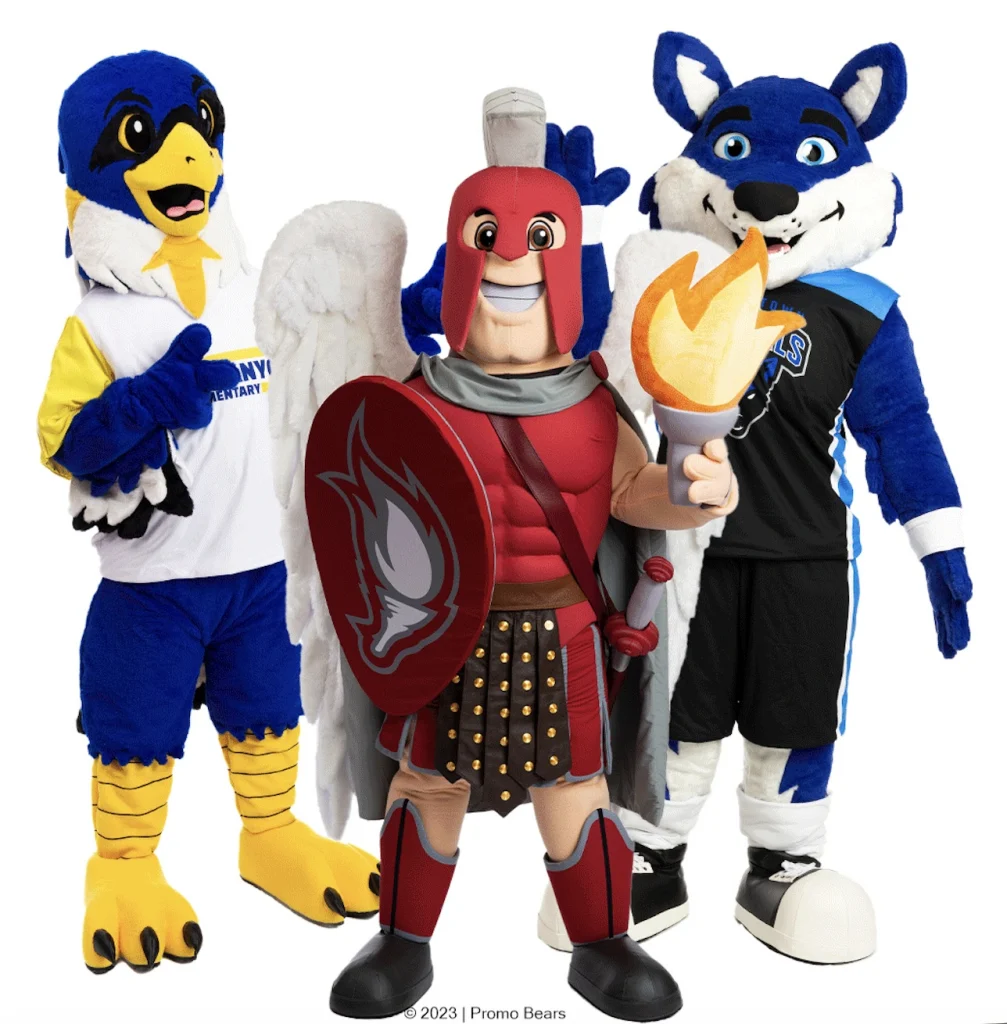
Mascot suits are made from a combination of foam, fabric, and mesh materials that work together to create a lightweight, durable, and visually striking costume. The outer shell is typically crafted from faux fur or fleece, while the interior relies on high-density foam for structure and shape. Understanding what goes into a mascot costume helps you make smarter decisions when ordering a custom design.
What materials are most commonly used inside mascot suits?
The interior of a mascot suit is built primarily from high-density polyurethane foam, which provides the structural shape of the head, body, and oversized features. Foam is lightweight enough to keep the performer comfortable during extended wear while being firm enough to hold its form under movement and pressure. Breathable mesh linings are layered inside to improve airflow and reduce heat buildup.
Beyond foam, the inner construction often includes a fabric lining sewn directly onto the foam shell. This lining sits against the performer’s skin and body, reducing friction and absorbing moisture. Some costumes also incorporate padded elements at pressure points such as the shoulders and neck to distribute weight more evenly.
Ventilation is one of the most critical considerations in mascot suit construction. A well-built mascot features an integrated ventilation system that channels airflow through strategic openings in the head and body. This keeps the performer cooler and extends the amount of time they can comfortably perform without overheating.
What is the outer shell of a mascot costume made of?
The outer shell of a mascot costume is most commonly made from faux fur, anti-pill fleece, or foam-backed stretch fabric, depending on the character design and intended use. Faux fur is the most popular choice because it gives mascots a soft, tactile, and visually appealing finish that photographs and films exceptionally well.
Faux fur comes in a wide range of pile lengths and textures, allowing costume makers to replicate anything from a short-haired animal to a fluffy cartoon character. Fleece is often used for flatter, smoother sections of the costume such as facial features, hands, or accent panels, where a tight, even surface is needed for color accuracy.
For mascots that represent non-animal characters, such as food products, logos, or abstract shapes, the outer shell may use spandex, vinyl, or printed fabric to achieve the right look. These materials allow for bold color blocking, precise PMS color matching, and detailed printed graphics that bring a brand identity to life on a three-dimensional form.
How are mascot costume eyes and facial features constructed?
Mascot costume eyes are typically constructed from hard plastic shells with a mesh or tinted acrylic lens. The plastic shell gives the eye its shape and dimensional realism, while the mesh interior allows the performer to see out clearly without the audience being able to see in. This combination creates the lifelike, expressive look that makes a mascot instantly recognizable.
The eyes are usually vacuum-formed or injection-molded to achieve a consistent, smooth curve. They are then painted, airbrushed, or covered in fabric to match the character design precisely. High-quality mascots use 3D realistic eyes that catch light naturally, which makes a significant difference in how the character reads from a distance during events, games, or photo opportunities.
Facial features such as noses, mouths, and ears are sculpted from foam and then covered in the same outer shell fabric as the rest of the costume. This keeps the surface texture consistent across the entire head. For features that need to appear raised or dimensional, additional layers of foam are carved and shaped before being wrapped and stitched into place.
What makes a mascot costume material durable enough for repeated use?
Durability in a mascot costume comes from the quality of both the materials chosen and the construction methods used to assemble them. High-grade faux fur resists pilling, matting, and color fading far better than budget alternatives. Reinforced stitching at high-stress points such as the neck, shoulders, and hand openings prevents the seams from splitting during active performances.
The foam used in the interior also plays a major role in longevity. High-density polyurethane foam retains its shape over hundreds of uses, whereas lower-density foam compresses and loses structure quickly. A mascot that flattens or deforms after a season of use reflects poorly on the brand it represents.
Hardware elements such as zippers, buckles, and ventilation grilles should be made from corrosion-resistant metal or reinforced plastic. These are the components that get the most mechanical stress during dressing, undressing, and performance, so their quality directly affects how long the costume remains functional. A well-constructed mascot costume, built from the right materials, should last for several years of regular use when properly maintained.
How do mascot suit materials affect cleaning and maintenance?
The materials used in a mascot costume determine how easy or difficult it is to clean between uses, which matters significantly for any organization that uses its mascot frequently. Faux fur and fleece outer shells can typically be spot-cleaned with a damp cloth and mild detergent, while removable fabric panels can often be hand-washed or machine-washed on a gentle cycle.
Here are the most important maintenance considerations based on common mascot materials:
- Faux fur: Spot-clean with mild soap and water; brush gently when dry to restore the pile and prevent matting
- Fleece panels: Hand-wash or machine-wash on a cool, gentle cycle; avoid high heat, which causes shrinkage
- Foam interior: Wipe down with an antibacterial spray; never submerge foam in water as it absorbs moisture and takes a long time to dry
- Hard plastic eyes and features: Wipe clean with a damp cloth; avoid abrasive cleaners that scratch the surface
- Inner fabric lining: Remove and wash separately where possible; this is the layer that contacts the performer’s skin most directly
Proper storage also extends the life of the materials. Storing the head on a stand rather than flat prevents the foam from compressing unevenly, and keeping the costume in a breathable bag rather than a sealed plastic container prevents moisture buildup and odor.
What materials should you request when ordering a custom mascot costume?
When ordering a custom mascot costume, you should request high-density polyurethane foam for the interior structure, premium faux fur or anti-pill fleece for the outer shell, and hard plastic with mesh lenses for the eyes. These three material categories form the foundation of a professional-grade costume that performs well, looks great, and lasts for years.
Beyond the core materials, here are the specific qualities worth requesting from your manufacturer:
- Anti-pill faux fur: Ensures the surface stays smooth and professional-looking after repeated use and cleaning
- High-density foam (at least 1.8 lb per cubic foot): Maintains shape and structural integrity through hundreds of performances
- 3D vacuum-formed eyes with mesh lenses: Provides realistic appearance while giving the performer clear sightlines
- Reinforced double-stitched seams: Prevents splitting at high-stress points during active wear
- Integrated ventilation system: Keeps the performer cool and extends comfortable wear time
- Removable and washable inner lining: Makes hygiene maintenance practical for regular use
- PMS-matched outer fabric: Ensures the costume colors align precisely with your brand identity
Asking about the specific foam density, fur grade, and construction methods before committing to a manufacturer is a smart step that separates professional suppliers from budget producers. A reputable maker will be transparent about every material used and will provide a detailed design illustration before production begins.
How Promo Bears helps you get the right mascot costume materials
We take the guesswork out of material selection so you receive a mascot costume built to the highest professional standards from day one. Every custom mascot we produce is constructed using premium materials chosen specifically for durability, comfort, and visual impact. Here is what you get when you work with us:
- A free concept illustration based on your logo or design idea, with unlimited revisions before production begins
- 3D realistic eyes with mesh lenses for a lifelike appearance and clear performer visibility
- An integrated ventilation system built into every costume for performer comfort
- Easy-to-clean construction with a removable inner lining and durable outer shell
- A dedicated project manager who guides you from design approval through to delivery
- Production completed in 12 to 16 weeks with rush options available
With over 4,000 custom mascots created for brands including NASA, Amazon, and Walmart, we know exactly what materials and construction methods produce a costume that performs at the highest level. Ready to bring your mascot to life? Get your free quote and let our team show you what is possible.
Frequently Asked Questions
How long does a custom mascot costume typically last before materials start to degrade?
A professionally built mascot costume using high-density foam and anti-pill faux fur can last anywhere from 3 to 7 years with regular use, depending on performance frequency and how well it is maintained. Costumes used daily at high-traffic events will naturally show wear sooner than those used weekly or seasonally. Following the manufacturer’s cleaning and storage guidelines — such as keeping the head on a stand and storing the costume in a breathable bag — is the single most effective way to maximize the lifespan of the materials.
What is the average weight of a professional mascot suit, and how does material choice affect it?
Most professional full-body mascot suits weigh between 10 and 20 pounds, with the head typically accounting for the largest share of that weight. Material choices directly impact this figure — high-density foam is heavier than low-density alternatives, but it is necessary for shape retention, so manufacturers balance density with strategic foam carving to remove unnecessary bulk. Choosing lightweight mesh linings, thinner fur pile for non-feature areas, and ventilated construction can meaningfully reduce overall weight without sacrificing durability or appearance.
Can mascot costume materials be repaired if they get damaged during a performance?
Yes, most mascot costume materials are repairable, and a reputable manufacturer will be able to patch or replace damaged sections rather than requiring a full rebuild. Faux fur tears can be re-stitched or patched with matching fabric, foam sections can be recarved and reglued, and hard plastic eyes can often be replaced as individual components. It is a good idea to ask your manufacturer upfront whether they offer repair services and whether they can supply spare fabric or foam material in your costume’s specific colors and specs for emergency fixes.
Are there hypoallergenic or skin-safe material options for performers who wear the costume regularly?
Yes, most professional mascot manufacturers can accommodate performers with sensitivities by using hypoallergenic inner lining fabrics such as moisture-wicking polyester or natural cotton blends in place of standard synthetic linings. The key layer to focus on is the removable inner lining, since it has the most direct and prolonged contact with the performer’s skin. When placing your order, inform your manufacturer of any specific sensitivities so they can select appropriate lining materials and avoid adhesives or treatments that may cause irritation.
How do mascot suit materials hold up in outdoor conditions like heat, rain, or direct sunlight?
Outdoor use puts additional stress on mascot materials, particularly UV exposure and moisture. Premium anti-pill faux fur with UV-resistant dyes holds its color significantly better in direct sunlight than budget alternatives, which can fade noticeably within a single outdoor season. For wet-weather events, it is important to thoroughly dry the costume after use — especially the foam interior — since trapped moisture accelerates odor development and can degrade foam over time. If your mascot will be used frequently outdoors, discuss weather-resistant fabric treatments or water-repellent outer coatings with your manufacturer before production.
What is the difference between a budget mascot costume and a professionally made one in terms of materials?
The most significant material differences between budget and professional mascot costumes come down to foam density, fur grade, and construction quality. Budget costumes typically use low-density foam that compresses and loses shape within a single season, lower-grade faux fur that pills and mats quickly, and basic stitching that splits under the stress of active performance. Professional costumes use high-density foam (1.8 lb per cubic foot or higher), anti-pill faux fur, reinforced double-stitched seams, and integrated ventilation — all of which translate directly into a costume that looks better, performs longer, and represents your brand more effectively over time.
Can the materials in a mascot costume be customized to match exact brand colors?
Yes, professional mascot manufacturers can match outer shell fabrics to your exact PMS (Pantone Matching System) color specifications, ensuring the finished costume aligns precisely with your brand identity. This is typically achieved through careful fabric sourcing, custom dyeing, or airbrushing and painting of hard components like the eyes and facial features. When requesting a custom mascot, provide your brand’s official PMS color codes to your manufacturer at the design stage so color accuracy can be confirmed on the concept illustration before any materials are cut or assembled.
Related Articles
- How do you maintain and clean a custom mascot costume after events?
- Why do strong brands invest in making their culture visible in 2026?
- What makes a mascot costume effective for brand recognition?
- How does a recognizable brand character boost revenue for children's products?
- What is the price of a mascot?