
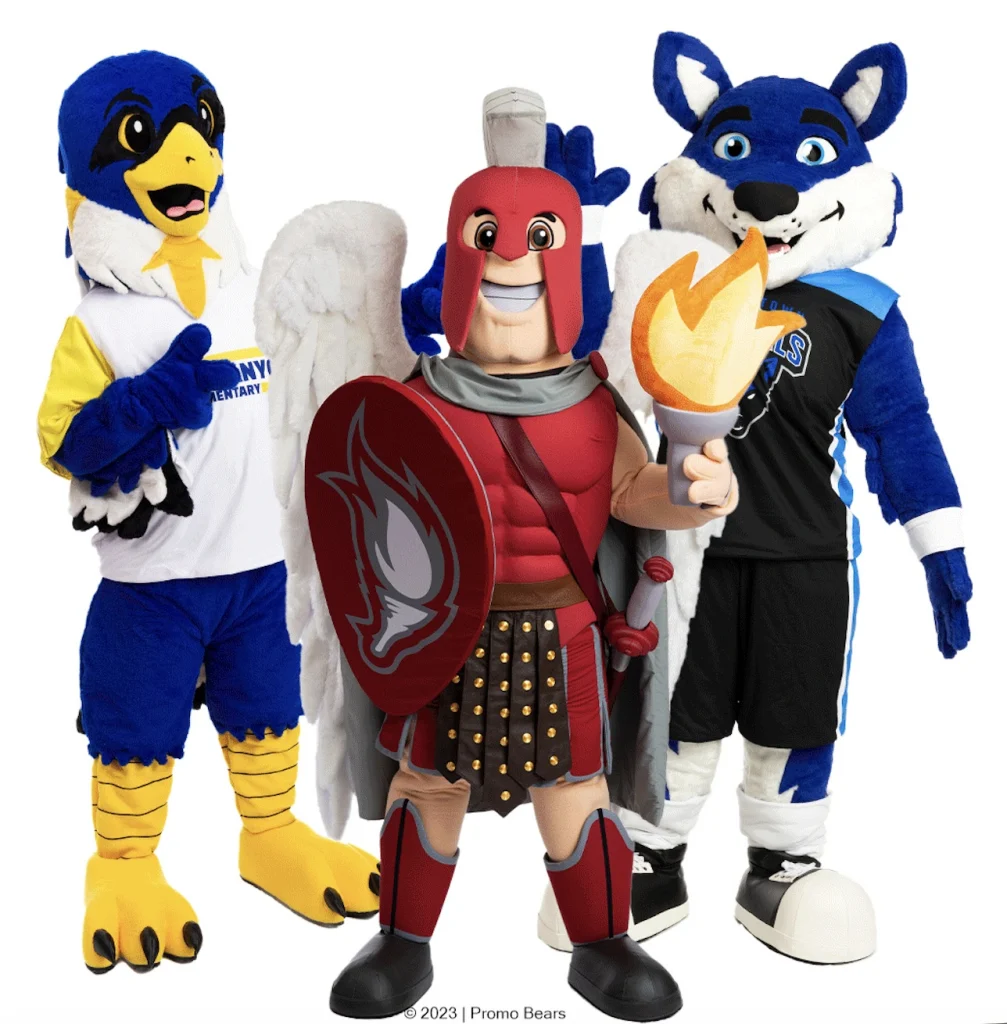
Choosing the right mascot comes down to three core decisions: who your audience is, what your brand stands for, and how the mascot will be used. A mascot that checks all three boxes becomes a genuine brand asset. One that misses even one can feel disconnected and fail to land. The questions below walk you through the most important factors so you can make a confident, strategic choice.
What makes a mascot effective for a brand?
An effective mascot is instantly recognizable, emotionally resonant, and versatile enough to work across every platform your brand uses. It creates a consistent visual identity that audiences can connect with over time. The most successful mascots feel like a natural extension of the brand rather than something bolted on as an afterthought.
Effectiveness in mascot design comes from a combination of visual clarity and personality. A mascot that is too complex loses impact when scaled down to a small logo or printed on merchandise. One that lacks personality fails to build the emotional connection that makes mascots so powerful in the first place.
Strong mascots also age well. They are designed with enough flexibility to appear in different contexts without losing their core identity. Whether they show up on a giant inflatable at a trade show, on a stress ball handed out at an event, or in a social media campaign, the character remains consistent and recognizable.
How do you match a mascot’s personality to your brand identity?
Matching a mascot’s personality to your brand identity starts with defining your brand’s core values and tone. If your brand is energetic and youthful, your mascot should reflect that through dynamic poses, bold colors, and an expressive face. If your brand is trustworthy and professional, a more composed, confident character will serve you better.
Think about how your brand speaks to its audience. A mascot is essentially a visual translation of your brand voice. If you would describe your brand as approachable and fun, your mascot should look like someone you would want to high-five at a game. If your brand is authoritative and expert-driven, the mascot’s design should communicate competence and confidence.
Color plays a major role here too. Your mascot should work within your existing brand color palette so it integrates seamlessly across all marketing materials. A mascot that clashes with your visual identity creates confusion rather than cohesion.
What’s the difference between a character mascot and a logo mascot?
A character mascot is a fully developed personality with its own look, expressions, and backstory that exists independently of the logo. A logo mascot is built directly from or around the existing logo mark, using the brand’s existing visual elements as the foundation for the character’s design.
Character mascots tend to have more creative freedom and can develop a richer identity over time. They work especially well for sports teams, entertainment brands, and organizations that want to build a long-term relationship with their audience through storytelling and engagement.
Logo mascots are tightly tied to the brand’s existing visual identity, which makes them a strong choice for companies that want immediate brand recognition. Because they are derived from a familiar mark, audiences make the connection instantly. The trade-off is that they can feel more constrained creatively, especially if the original logo was not designed with a mascot in mind.
For most B2B brands and organizations, the right choice depends on whether you are starting fresh or building on an established visual identity. Both approaches can produce outstanding results when the mascot design is executed with care and intention.
Should your mascot be human, animal, or object-based?
The best mascot type depends on your brand’s industry, audience, and the emotional tone you want to convey. Animals are the most universally popular choice because they carry built-in personality traits and are easy for audiences of all ages to connect with. Human characters work well when you want to represent a specific lifestyle or profession. Object-based mascots are ideal when the brand itself is the hero of the story.
Animal mascots
Animals are a natural fit for a wide range of brands because they come pre-loaded with associations. A bear communicates strength and reliability. A fox suggests cleverness and agility. An eagle projects authority and ambition. Choosing an animal that aligns with your brand’s core traits gives your mascot an immediate shorthand that audiences understand without explanation.
Human and object-based mascots
Human mascots work well when you want to represent a customer, a professional, or a lifestyle. They are common in service industries and sports, where the human element is central to the brand experience. Object-based mascots, where a product or brand symbol comes to life as a character, are effective for FMCG and retail brands that want to put the product at the center of their marketing. Think of how food and beverage brands have long used their products as characters to build recognition and affection.
How do you make sure a mascot works across all formats?
A mascot works across all formats when it is designed with scalability and versatility in mind from the very beginning. This means the character should be recognizable at any size, from a small enamel pin to a giant inflatable, and should translate cleanly across digital screens, print materials, costumes, and merchandise.
Here are the key principles to build in from the start:
- Simplicity of silhouette: The mascot’s outline should be distinctive enough to recognize even without color or detail.
- Limited color palette: Too many colors create production complications and reduce visual impact at small sizes.
- Expressive features: Eyes, posture, and facial expression carry the personality and must read clearly at every scale.
- Flexible poses: Design the character with multiple pose options so it can appear active, calm, or celebratory depending on the context.
- Consistency across materials: The mascot should look equally at home on a plush toy, a stress ball, a sticker, and a full costume.
Planning for multi-format use from day one saves significant time and cost down the line. A mascot designed only for digital use often requires expensive redesigns when it needs to become a physical product or a wearable costume.
What questions should you ask a mascot supplier before ordering?
Before committing to a mascot supplier, ask about their design process, production timelines, revision policies, and quality control standards. The answers will tell you quickly whether you are dealing with a professional partner or a vendor who will leave you chasing updates and managing disappointments.
Here are the most important questions to ask:
- Do you provide a free concept illustration before I commit? A reputable supplier will offer this without upfront payment so you can evaluate the design before any money changes hands.
- How many revisions are included? You should have the ability to refine the design until it is exactly right, not just one or two attempts.
- What are the realistic production timelines? For mascot costumes, plan for 12 to 16 weeks. For merchandise like stress balls, expect 10 to 12 weeks. Giant mascot inflatables typically take 3 to 4 weeks. Knowing these timelines upfront helps you plan campaigns without surprises.
- Will I have a dedicated project manager? A single point of contact who oversees your project from design to delivery makes the entire process smoother and more accountable.
- What does quality control look like before shipping? Ask whether result photos are shared for your approval before the product is packed and sent.
- Can you produce across multiple product types? If you want your mascot to appear on a costume, plush toys, keychains, and inflatables, a supplier who handles all of these in-house is far more efficient than managing multiple vendors.
Getting clear, confident answers to these questions is a strong indicator that the supplier can deliver what they promise.
How Promo Bears helps you get mascot design right
We have spent over 19 years helping brands, schools, sports teams, and organizations across the US and Canada bring their mascot ideas to life. Our process is built to make mascot design straightforward, transparent, and genuinely exciting from the very first conversation.
Here is what we bring to every project:
- A free concept illustration based on your logo or design idea, with unlimited revisions until the result is exactly what you envisioned
- Custom mascot costumes ready in 12 to 16 weeks, featuring 3D realistic eyes, a built-in ventilation system, and exceptional comfort for the wearer
- A full range of mascot merchandise including custom stress balls (10 to 12 weeks), plush toys, giant inflatables (3 to 4 weeks), stickers, keychains, and more
- A dedicated project manager who handles everything from design approval through to delivery at your door
- Rigorous quality control with result photos shared before shipping, so you approve the final product before it leaves our hands
Whether you are starting from scratch or ready to expand an existing mascot into a full merchandise line, we make it easy to move from idea to impact. Explore our work at Promo Bears or take the first step today by requesting your free mascot quote with no obligation required.
Frequently Asked Questions
How much does it typically cost to create a custom mascot from scratch?
Mascot costs vary widely depending on what you need. A mascot costume can range from a few thousand dollars to well over $10,000 depending on complexity, materials, and features like ventilation systems or 3D eyes. Merchandise items like stress balls, plush toys, and keychains are significantly more affordable, especially when ordered in volume. The best approach is to request a free quote with your specific requirements so you can get an accurate figure before committing to anything.
What if I don't have a logo or existing brand assets — can I still get a mascot designed?
Absolutely. Many organizations come to mascot designers with nothing more than a concept, a name, or a general direction. A good mascot designer will work with you to develop the character from the ground up, asking questions about your brand values, target audience, and intended use cases to guide the creative process. Starting fresh can actually be an advantage because there are no existing constraints, giving the designer maximum creative freedom to build something truly original.
How do I know if my mascot design will translate well into a physical costume or merchandise?
The best way to ensure a smooth transition from illustration to physical product is to work with a supplier who handles both design and production under one roof. Ask to see examples of how their illustrated designs have translated into finished costumes, plush toys, or inflatables. Key design factors like a simple silhouette, a limited color palette, and bold expressive features are strong indicators that a mascot will reproduce well across physical formats.
What are the most common mistakes brands make when choosing or designing a mascot?
The most common mistakes are designing a mascot that is too complex to scale, choosing a character that doesn’t align with the brand’s actual personality, and failing to plan for multi-format use from the start. Another frequent pitfall is rushing the design process to meet a deadline, which often results in a mascot that needs expensive revisions later. Taking the time to get the concept right before production begins saves both money and frustration down the line.
Can an existing mascot be updated or refreshed without losing brand recognition?
Yes, and many long-standing brands do this successfully by evolving their mascot gradually rather than replacing it entirely. The key is to retain the core elements that audiences already recognize — the silhouette, color palette, and defining personality traits — while modernizing the style, proportions, or expressions. A phased refresh approach, where the updated mascot is introduced alongside familiar brand touchpoints, helps audiences make the connection without confusion.
How should I introduce a new mascot to my audience for maximum impact?
A strong mascot launch treats the character like a brand announcement rather than just a design reveal. Consider building anticipation with teaser content on social media, then doing a full reveal tied to an event, campaign, or milestone moment. Give the mascot a name, a personality, and a story that audiences can engage with from day one. The more context and personality you give the character at launch, the faster your audience will form a genuine connection with it.
How long does a mascot costume typically last, and how should it be maintained?
A well-made mascot costume can last anywhere from three to seven years or more with proper care, depending on how frequently it is used and how well it is maintained. Regular surface cleaning after each use, proper storage in a cool and dry environment, and periodic deep cleaning are essential to preserving the costume’s appearance and hygiene. Always ask your supplier for specific care instructions tailored to the materials used in your costume, as different fabrics and components may have different requirements.