
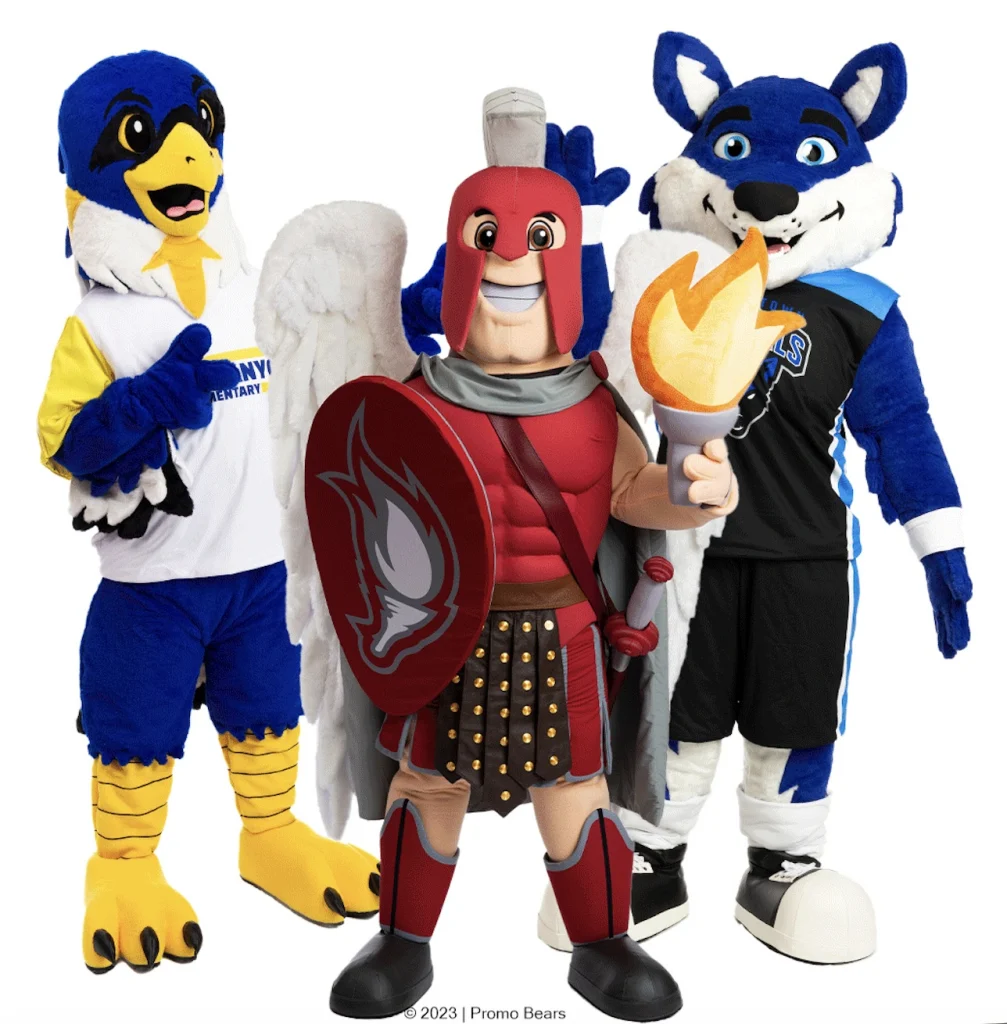
You build a recognizable brand for kids by creating a strong visual identity centered on a memorable character, consistent colors, and a clear personality that children can connect with emotionally. Kids respond to brands that feel friendly, fun, and familiar — so the faster you establish those signals, the faster recognition follows. This article walks through the core questions every kids’ brand marketer should answer before spending a dollar on promotion.
What makes a brand instantly recognizable to children?
A brand becomes instantly recognizable to children when it combines a distinctive visual character, a consistent color palette, and a clear emotional tone that kids can identify across every touchpoint. Children process visual information quickly and form strong associations based on shapes, colors, and faces — especially characters that feel alive and expressive.
Unlike adult audiences, kids do not evaluate a brand rationally. They respond to how a brand makes them feel. A mascot with a friendly face, a bright and consistent color scheme, and a personality that shows up the same way every time builds the kind of familiarity that turns casual interest into genuine loyalty.
Speed of recognition also matters. Children’s attention spans are short, which means your brand needs to communicate its personality in seconds. A well-designed character or visual mark does that work instantly, without words.
What are the key elements of a kids’ brand identity?
The key elements of a kids’ brand identity are a memorable character or mascot, a bold and consistent color palette, a playful but clear visual style, a distinctive name or logo mark, and a tone of voice that speaks directly to children in language they enjoy. Together, these elements create a brand world kids want to return to.
- Character or mascot: A central figure children can recognize, relate to, and root for
- Color palette: Bold, high-contrast colors that stand out in a crowded visual environment
- Visual style: Rounded shapes, expressive features, and friendly proportions that feel approachable
- Logo mark: Simple enough for a child to draw from memory
- Tone of voice: Energetic, warm, and age-appropriate without being condescending
- Consistency: Every product, event, and piece of content should look and feel like it belongs to the same world
Brands that get this right make children feel like they belong to something. That sense of belonging is one of the most powerful drivers of brand loyalty at any age, but it is especially true for kids.
How does a mascot help build brand recognition with kids?
A mascot helps build brand recognition with kids by giving the brand a face, a personality, and an emotional identity that children can form a genuine connection with. Characters are far more memorable than logos or taglines alone because they trigger the same social and emotional responses in children as real relationships do.
When a child sees the same character across a cereal box, a playground event, a plush toy, and a social media video, the brain reinforces the brand association every time. Repetition through a character is far more effective with young audiences than repetition through a graphic or a slogan.
Mascots also give brands a way to communicate values without lecturing. A brave, curious, or kind character models the traits a brand wants to be associated with, and children absorb those associations naturally through play and storytelling.
For marketing managers building children’s marketing ideas from scratch, a mascot is often the single highest-leverage investment in brand identity. It anchors everything else, from merchandise to events to digital content, in one recognizable figure.
What types of promotional products work best for kids’ brands?
The promotional products that work best for kids’ brands are items children actually want to use, carry, or play with. The goal is to turn branded merchandise into something a child chooses to engage with, rather than something that ends up in a drawer. The best children’s marketing ideas in this space prioritize fun, tactile, and collectible formats.
- Plush toys: A mascot brought to life as a soft toy becomes a companion. Children carry them, sleep with them, and bring them to school, which creates ongoing brand visibility in highly personal settings.
- Stickers: Inexpensive, fast to produce, and universally loved by kids. Stickers travel everywhere and get placed in visible spots, which extends brand reach organically.
- Keychains and enamel pins: Collectible formats that kids trade and display. They create social currency around your brand.
- Stress balls: Tactile and satisfying, these are popular at events and in school settings. Custom shapes based on your mascot design make them far more memorable than generic versions.
- Temporary tattoos: A low-cost, high-engagement item that kids genuinely get excited about.
- Drawstring bags: Practical enough for parents to approve and fun enough for kids to want.
The most effective approach is to build a product ecosystem around your mascot character so that every item feels like part of the same world. A child who owns a plush toy, a sticker sheet, and a keychain of the same character is deeply embedded in your brand.
How do you build brand consistency across all kids’ touchpoints?
You build brand consistency across kids’ touchpoints by defining your mascot’s visual rules, color codes, and personality traits in a clear brand guide, then applying them without exception across every product, event, channel, and piece of content your brand produces. Consistency is what turns a logo into a recognizable brand for kids.
Children notice inconsistency even when they cannot articulate it. If your mascot looks slightly different on a plush toy than it does on a banner at a school event, the emotional connection weakens. Every version of your character should feel like the same friend.
Practical steps to maintain consistency include:
- Creating a master character design file that all vendors and partners use as the source of truth
- Defining approved color values so merchandise and print materials always match
- Writing a short personality guide that describes how your mascot speaks, acts, and reacts
- Reviewing all touchpoints together at least once a year to catch drift before it becomes a problem
Consistency also applies to timing. If your mascot appears at events, on merchandise, and in digital content on a regular schedule, children begin to anticipate the brand rather than simply recognize it. Anticipation is a much deeper form of engagement.
When should a kids’ brand invest in a custom mascot costume?
A kids’ brand should invest in a custom mascot costume when it is ready to create live brand experiences at events, schools, retail locations, or community activations where physical presence will drive meaningful engagement. A costume transforms a 2D character into a real, huggable figure that children remember for years.
The timing question often comes down to event strategy. If your brand attends fairs, school visits, sporting events, or retail activations more than a handful of times per year, a custom costume pays for itself quickly in the depth of engagement it creates compared to banners or giveaways alone.
It is also worth planning ahead. Custom mascot costume production takes 12 to 16 weeks from design approval to delivery, so if you have a seasonal campaign or a major event on the calendar, you need to start the process well in advance.
A costume also unlocks a whole category of content. Photos and videos of children interacting with a mascot character at live events generate authentic, shareable moments that no studio shoot can replicate. For brands building a recognizable identity with young audiences, that kind of content is genuinely valuable.
How Promo Bears helps you build a recognizable brand for kids
We work with marketing managers and brand teams who are serious about building a kids’ brand that stands out and stays consistent across every touchpoint. From the first concept illustration to the final product in a child’s hands, we handle the full process so you do not have to coordinate between multiple vendors.
Here is what we bring to a kids’ brand project:
- Custom mascot costumes built to your exact character design, ready in 12 to 16 weeks, with lifelike 3D eyes and a built-in ventilation system for comfort at events
- Plush toys that bring your mascot to life as a product children genuinely want to own
- Custom stress balls in any shape that matches your character, with specific PMS color matching and full-color print options, ready in 10 to 12 weeks
- Stickers, keychains, enamel pins, and temporary tattoos that create a collectible merchandise ecosystem around your mascot
- Giant inflatables for events and retail activations, ready in 3 to 4 weeks
- A free concept illustration to start, with unlimited revisions before production begins
Every project comes with a dedicated project manager who keeps everything on track from design to delivery. If you are ready to build a recognizable kids’ brand with a team that has created over 4,000 mascots for organizations worldwide, we would love to hear about your project. Get a free quote and let us show you what your mascot could look like.
Frequently Asked Questions
How long does it typically take to develop a kids' brand identity from scratch?
Building a complete kids’ brand identity — including mascot design, color palette, tone of voice guide, and initial merchandise — typically takes 3 to 6 months when working with an experienced team. The mascot design phase alone can take 4 to 8 weeks to get right, since small details like facial expression and color choices have a big impact on how children respond. Planning ahead is critical, especially if you have a product launch, seasonal campaign, or major event anchoring your timeline.
What are the most common mistakes brands make when designing for a kids' audience?
The most common mistakes are designing for parents instead of children, using overly complex visuals that kids cannot process quickly, and creating a mascot with a neutral or ambiguous expression that fails to trigger an emotional response. Another frequent error is inconsistency — launching with one version of a character and then allowing it to drift across different vendors and formats. Children notice when their favorite character looks u0022off,u0022 and that inconsistency quietly erodes the trust and familiarity you worked hard to build.
How do I know if my mascot design is actually connecting with kids?
The most reliable way is to test it directly with children in your target age group before committing to production. Simple methods like showing kids two or three character concepts and asking which one they would want as a friend, or which one looks the most fun, give you fast, honest feedback. You can also observe engagement at live events — if children are drawn to the mascot, want to touch it, and ask to take photos with it, that is a strong signal the design is working. Low engagement at events is often a character design problem, not a marketing problem.
Should a kids' brand have a different strategy for reaching children versus their parents?
Yes — and the best kids’ brands do both simultaneously without conflating the two audiences. Children respond to fun, characters, color, and emotional connection, while parents respond to quality, safety, educational value, and brand trustworthiness. Your mascot and visual identity should be designed to capture the child’s attention and loyalty, while your packaging copy, website content, and product descriptions should address the parent’s practical concerns. A brand that wins both the child’s enthusiasm and the parent’s approval is far more likely to drive repeat purchases.
What is the right age range to design a kids' brand for, and does it change the approach?
Age range has a significant impact on every element of your brand identity. Toddlers and preschoolers (ages 2–5) respond best to very simple shapes, high-contrast primary colors, and soft, round characters with large expressive eyes. Children ages 6–9 can engage with slightly more complex characters and storylines, and they begin to value collectibility and social currency. Tweens (ages 10–12) respond to characters that feel cool and aspirational rather than cute and babyish. Designing for too wide an age range often results in a brand that resonates with no one strongly, so defining a primary age target first sharpens every creative decision.
How many promotional product types should a kids' brand launch with?
Starting with 3 to 4 core items is usually more effective than launching with a wide range of products all at once. A strong starting ecosystem might include a plush toy as the hero item, stickers for broad low-cost distribution, and one collectible format like a keychain or enamel pin. This focused approach lets you build strong recognition around a small set of products before expanding, and it makes it easier to maintain quality and consistency across the range. Once you see which items generate the most engagement with your audience, you can expand the line with confidence.
Can a small or regional kids' brand realistically compete with large national brands on recognition?
Absolutely — and in many cases a smaller brand has a structural advantage because it can show up more personally and consistently within a specific community or niche. A regional kids’ brand that appears at local school events with a mascot costume, hands out stickers at community fairs, and maintains a consistent character across all its touchpoints can build stronger emotional loyalty within its market than a national brand that feels distant and impersonal. Recognition is built through repetition and emotional connection, not budget size — and a well-designed mascot levels the playing field significantly.