
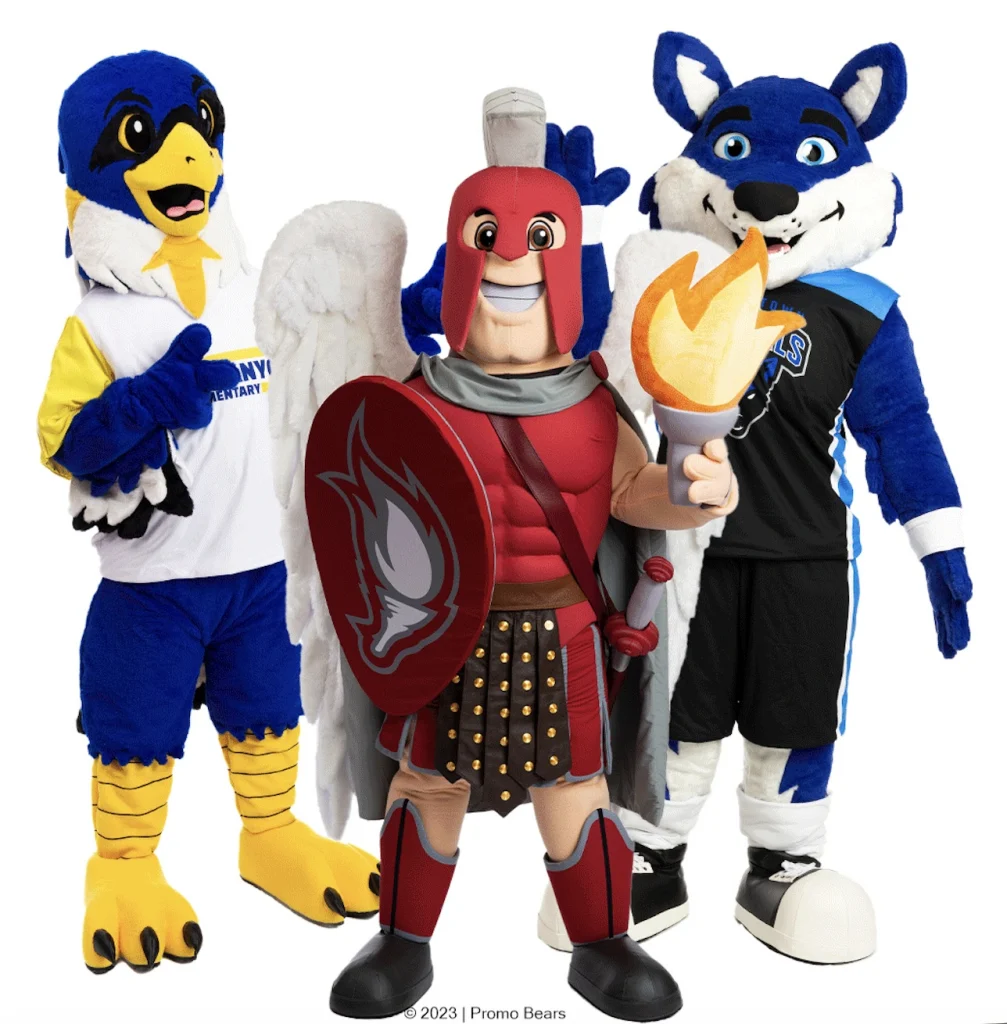
To maintain and clean a custom mascot costume after events, start by airing it out immediately, then spot clean or hand wash the outer shell, sanitize the interior lining and sweat pads, and store it properly in a breathable bag or costume case. Consistent care after every use protects the materials, prevents odor buildup, and keeps the costume looking sharp for every appearance. Below, we cover each part of that process in detail so your costume stays in great shape for the long run.
What parts of a mascot costume need cleaning after every event?
After every event, the interior lining, sweat pads, and any removable padding need immediate attention since these absorb the most moisture and body heat. The outer shell, head, hands, and feet also need to be inspected and spot cleaned if they picked up dirt, grass, or surface stains during the event.
Think of a mascot costume as having two distinct zones that require different cleaning approaches:
- The interior zone includes the lining, sweat pads, and foam padding that sit directly against the performer’s body. These absorb sweat and bacteria and need sanitizing after every single use.
- The exterior zone includes the outer fabric shell, the headpiece, gloves, and shoe covers. These face the crowd and can collect dirt, grass stains, food, and general wear from physical contact.
Skipping the interior after even one event allows bacteria and odor to set into the foam and fabric, which becomes much harder to reverse over time. The exterior can tolerate slightly less frequent deep cleaning, but visible stains should always be addressed right away before they set.
How do you clean the outer shell of a mascot costume?
To clean the outer shell of a mascot costume, use a damp cloth with a mild, color-safe detergent to spot clean any stained or soiled areas. For a more thorough clean, hand washing in cool water is the safest method for most fabric shells. Avoid machine washing, bleach, or high heat, as these can warp the structure and fade the colors.
Here is a straightforward process for cleaning the outer shell after events:
- Let the costume air out fully before cleaning to release moisture and heat.
- Use a soft brush or lint roller to remove loose debris, grass, or surface dirt.
- Dampen a clean cloth with cool water and a small amount of mild detergent.
- Gently blot stained areas rather than scrubbing, which can damage the fabric fibers.
- Rinse the cloth and wipe away any soap residue.
- Allow the shell to air dry completely in a well-ventilated space before storage.
For mascots with fur or textured fabric, always brush in the direction of the pile after cleaning to keep the surface looking uniform and well-groomed. Hard components like the headpiece may have a foam or resin base beneath the fabric, so avoid soaking these parts. A targeted spot clean is almost always the right approach for the head.
How should you sanitize the interior lining and sweat pads?
Sanitize the interior lining and sweat pads by removing them after every event and either hand washing them with a gentle antibacterial detergent or using a fabric-safe disinfectant spray. Allow them to dry completely before reinserting them into the costume. Never leave damp pads inside the costume, as trapped moisture accelerates bacterial growth and creates persistent odor.
Many professional mascot costumes are built with removable sweat pads and washable liners specifically to make this step easy. If your costume includes these, get into the habit of treating them like athletic gear: wash after every use, no exceptions.
For the interior surfaces that cannot be removed, a light spray of fabric-safe disinfectant applied and then allowed to fully air dry does the job well. Some performers also use odor-neutralizing sprays designed for sports equipment, which work effectively on mascot interiors without damaging the foam or fabric.
One practical tip: keep two sets of sweat pads if possible. While one set is being washed and dried, the other is ready to go. This is especially useful for organizations that use their mascot for sports club appearances on back-to-back days.
What’s the best way to store a mascot costume between events?
The best way to store a mascot costume between events is in a large, breathable garment bag or a dedicated costume case, kept in a cool, dry, and well-ventilated space. Never compress the costume into a tight bag or box, as this crushes the foam structure and distorts the shape of the head and body over time.
A few storage habits that make a real difference:
- Always store the costume fully dry. Even slight dampness leads to mold and mildew inside the foam layers.
- Use a costume stand or hang the bodysuit to preserve its shape between uses.
- Store the headpiece separately in a padded bag or on a foam head stand to protect the structure and the eyes.
- Keep the costume away from direct sunlight, which fades colors and degrades foam over time.
- Avoid storing in humid environments like basements or near heating vents.
If the costume comes with a care manual, follow its specific storage guidance since different materials and construction methods may have unique requirements. Well-stored costumes consistently outlast those that are stuffed into a corner after events.
How often should a mascot costume be professionally serviced?
A mascot costume should be professionally serviced at least once a year for organizations that use it regularly, or after every major season if the costume sees heavy event use. Professional servicing typically includes deep cleaning, structural inspection, foam replacement, repairs to seams or zippers, and touch-ups to the exterior finish and eyes.
For schools and sports clubs that use their mascot throughout an athletic season, scheduling a professional service at the end of the season before storage is a smart routine. This ensures the costume is clean, repaired, and ready to go when the next season starts rather than discovering problems right before a big game.
Signs that a costume needs servicing sooner than scheduled include visible wear on the seams, a persistent odor that home cleaning does not resolve, damage to the eyes or head structure, or foam that has lost its shape and no longer provides a comfortable fit. Catching these issues early through regular professional attention is far less costly than replacing major components later.
What mistakes shorten the lifespan of a mascot costume?
The most common mistakes that shorten the lifespan of a mascot costume are machine washing, storing it damp, using harsh chemicals, and compressing it into tight storage spaces. Each of these damages either the foam structure, the fabric, or the finish in ways that are difficult or impossible to reverse.
Here are the mistakes that come up most often and what to do instead:
- Machine washing the head or foam components: The agitation and heat warp the foam base and can crack resin elements. Always hand clean these parts.
- Using bleach or solvent-based cleaners: These strip color from the fabric and break down foam over time. Stick to mild, fabric-safe detergents.
- Skipping the drying step before storage: Moisture trapped inside the costume creates mold, which is one of the hardest problems to fix and can make the costume unwearable.
- Letting multiple performers share the costume without sanitizing between uses: This accelerates bacterial buildup and creates hygiene issues that are difficult to address after the fact.
- Ignoring small repairs: A loose seam or a small tear that gets ignored becomes a major repair after a few more events. Address minor damage immediately.
- Storing in direct sunlight or high heat: UV exposure fades vibrant colors and breaks down foam faster than almost any other environmental factor.
Treating the costume with the same care you would give to a professional uniform pays off significantly. Mascot costumes that are cleaned and stored properly regularly last many years, while neglected ones often need major repairs or full replacement within a single season.
How Promo Bears helps you keep your mascot in top condition
Every custom mascot costume we produce at Promo Bears is built with care and longevity in mind. Our costumes feature an integrated ventilation system to reduce moisture buildup during events, and we design them specifically to be easy to clean so your team can maintain them without complicated processes.
When your costume ships, it arrives with a care manual that covers exactly how to clean, sanitize, and store your specific mascot. And because every project is supported by a dedicated project manager, you always have someone to reach out to with questions about maintenance or repairs.
Here is what you get when you work with us:
- A free concept illustration with unlimited revisions before production begins
- High-quality, comfortable, and easy-to-clean construction built for repeated use
- 3D realistic eyes and a built-in ventilation system as standard features
- A care manual included with every delivery
- Over 19 years of experience producing mascots that strengthen club identity and brand recognition
Whether you represent a sports club, a school, or a major brand, a well-maintained mascot is a long-term investment in how your organization shows up in the world. Ready to get started? Request your free quote and let us bring your mascot to life.
Frequently Asked Questions
Can I use a washing machine for any part of the mascot costume?
Machine washing is generally not recommended for any structural part of a mascot costume, including the head, body shell, hands, or feet. However, some removable sweat pads and interior liners made from jersey or athletic fabric may be machine washable on a gentle, cold-water cycle — always check your care manual first. When in doubt, hand washing is the safest option and will always be gentler on the materials.
How do I get rid of a persistent odor that won't go away after cleaning?
If odor persists after regular cleaning, the bacteria has likely worked its way deep into the foam layers, which surface cleaning cannot fully reach. Try placing odor-absorbing products like activated charcoal sachets or baking soda packets inside the costume during storage to draw out embedded smells. For severe cases, a professional deep-clean service with enzyme-based cleaners designed for athletic equipment is the most effective solution — and it’s worth scheduling sooner rather than later before the odor becomes permanent.
How do I clean the eyes and hard resin parts of the mascot head without damaging them?
For hard resin or plastic components like the eyes, use a soft, damp microfiber cloth with a small amount of mild soap and wipe gently — never scrub or use abrasive materials. Avoid soaking these areas entirely, as water can seep beneath the surface finish or loosen adhesives holding the eyes in place. For painted or coated eye surfaces, a dry microfiber cloth is often sufficient for routine cleaning between events.
What's the best way to dry a mascot costume quickly if there's another event the next day?
Set the costume in a well-ventilated room with a fan circulating air directly into and around it — this significantly speeds up drying time compared to passive air drying alone. Remove all sweat pads and liners and dry them separately, as they hold the most moisture. Never use a clothes dryer, heat gun, or direct sunlight to speed up drying, as high heat warps foam and fades fabric; cool, moving air is always the right approach.
How should multiple performers sharing one costume handle hygiene between uses at the same event?
When multiple performers share a mascot costume during the same event, each performer should ideally use their own set of sweat pads and a moisture-wicking balaclava or liner underneath the head to create a personal barrier. Between performer rotations, a quick spray of fabric-safe disinfectant on the interior lining and a brief air-out period helps minimize cross-contamination. Establishing this as a standard protocol — rather than an afterthought — protects both hygiene and the longevity of the costume’s interior materials.
Are there any cleaning products I should specifically avoid using on a mascot costume?
Yes — avoid bleach, ammonia-based cleaners, alcohol-heavy sprays, and any solvent or stain remover not specifically labeled as fabric-safe, as these break down foam, strip dyes, and can permanently damage textured fur or specialty fabrics. Strongly scented products like heavy perfumes or aerosol air fresheners should also be avoided, as they can leave residue that attracts dirt and irritates performers. Stick to mild, color-safe detergents and disinfectant sprays formulated for athletic or performance gear for the safest results.
How do I know when it's time to replace the foam padding rather than just cleaning it?
Foam padding that has lost its shape, feels flat or compressed even after drying, or retains odor despite repeated cleaning is past the point of effective maintenance and should be replaced. Degraded foam also reduces the costume’s comfort and fit, which can affect the performer’s ability to move and perform safely. Most professional mascot manufacturers, including Promo Bears, can supply replacement padding components — so reach out to your costume provider before assuming a full replacement is necessary.