
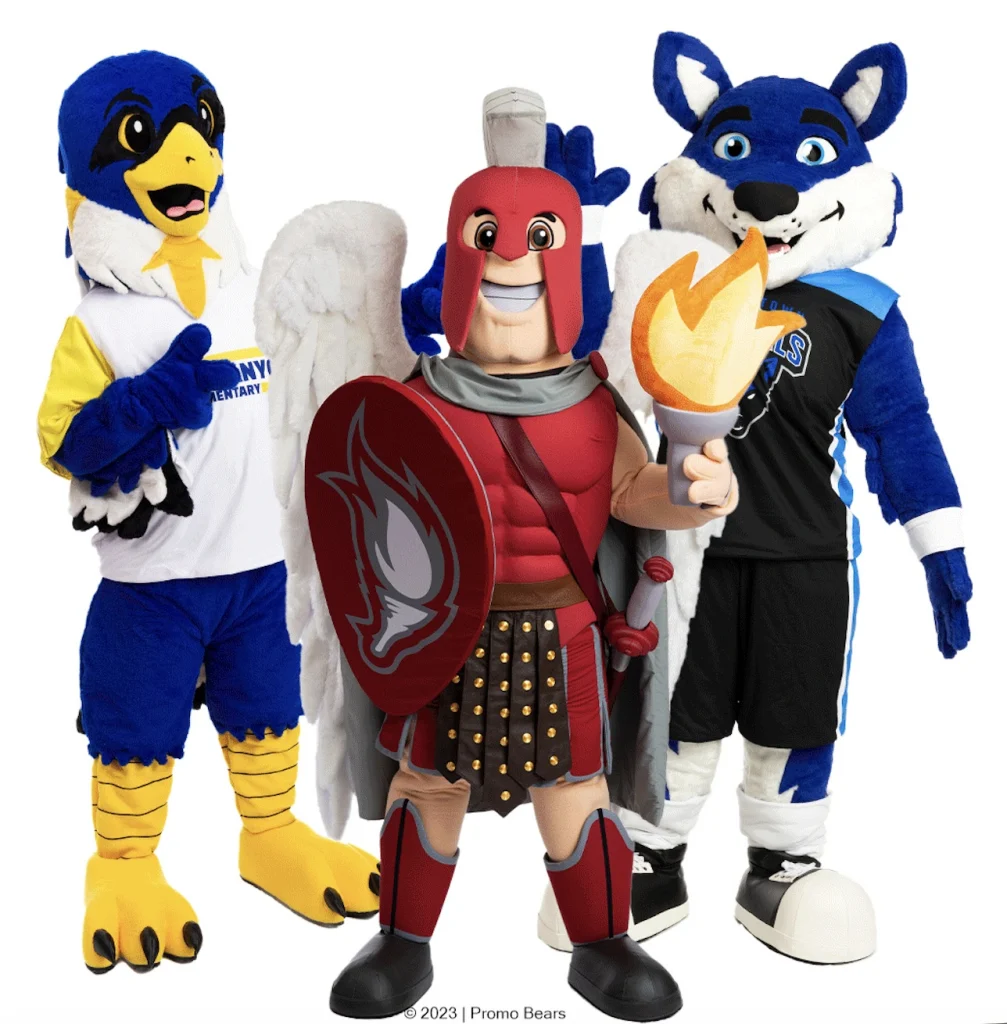
Yes, you can wash a mascot costume head, but it requires a careful, hands-on approach rather than tossing it in a washing machine. Most mascot heads are built with foam, fabric, and electronic components like fans or LED eyes that cannot withstand submersion or machine washing. Spot cleaning with a damp cloth and mild detergent is the standard method, and deeper deodorizing treatments can be done between performances. Keep reading for a complete breakdown of materials, safe products, cleaning frequency, and proper storage.
Can you wash a mascot costume head?
You can clean a mascot costume head, but you should never submerge it in water or put it in a washing machine. The head is typically constructed around a rigid or semi-rigid foam shell, which would warp or fall apart when soaked. Instead, the correct approach is surface cleaning using a damp cloth, a gentle cleaning solution, and targeted odour treatments applied by hand.
For the exterior fabric, spot cleaning works best. Dampen a soft cloth with a mild soap and water solution, then gently blot the affected areas. Avoid scrubbing aggressively, as this can damage the fabric pile or cause colors to fade. For interior surfaces that come into direct contact with the performer’s face and head, a more thorough wipe-down is needed after every single use.
If the mascot head contains a built-in ventilation fan or any electronic components, keep all moisture well away from those parts. Disconnect or remove any battery-powered elements before you begin cleaning, and allow everything to dry completely before reassembling.
What materials are mascot costume heads made of?
Mascot costume heads are typically made from a combination of foam, fleece or faux fur fabric, mesh, and rigid thermoplastic or fiberglass shells. Understanding these materials is essential because each one reacts differently to moisture, heat, and cleaning agents, and using the wrong product on the wrong surface can cause permanent damage.
- Foam: The structural core of most mascot heads. Foam is lightweight and shapeable, but it absorbs moisture easily and can develop mold if not dried properly after cleaning.
- Faux fur or fleece fabric: The outer surface that gives the mascot its look and texture. These fabrics are sensitive to heat and harsh chemicals, which can cause matting, discoloration, or shrinkage.
- Mesh panels: Usually positioned at the eyes or mouth for performer visibility and ventilation. Mesh can be gently wiped but should not be scrubbed or stretched.
- Thermoplastic or fiberglass shells: Used in premium mascot heads for added structure. These rigid elements are the most durable and easiest to wipe clean.
- 3D resin or acrylic eyes: Decorative and often the most visually striking feature. These should only be wiped with a soft, dry or barely damp cloth to avoid scratching.
High-quality custom mascot heads are designed with cleanability in mind. Features like removable liners and ventilation systems make regular maintenance far more manageable for performers and event teams.
How do you remove odours from a mascot head?
To remove odours from a mascot head, the most effective approach is a combination of airing out the head after every use, applying an antibacterial fabric spray to interior surfaces, and using baking soda or odour-absorbing sachets during storage. Odour buildup is one of the most common maintenance challenges mascot handlers face, especially when costumes are worn frequently or by multiple performers.
After each performance, open the mascot head and allow it to air out in a well-ventilated space for several hours. Never seal it in a bag or box while it is still warm and damp from use, as this creates the perfect environment for bacteria and mildew to develop.
For a deeper deodorizing treatment, lightly mist the interior lining with a diluted antibacterial spray or a product specifically designed for sports equipment and performance gear. Allow it to dry completely before the next use. Baking soda placed inside the head in a breathable sachet is a gentle, chemical-free option that works well between uses and during storage.
If odours have already set into the foam, a diluted white vinegar solution applied with a cloth and left to air dry can be surprisingly effective. Just be sure to test it on a small, hidden area first to confirm it does not affect the fabric color.
What cleaning products are safe for mascot costume heads?
Safe cleaning products for mascot costume heads include mild dish soap diluted in water, antibacterial fabric sprays, isopropyl alcohol wipes for hard surfaces, and enzyme-based odour eliminators designed for sports gear. Harsh chemicals like bleach, acetone, or solvent-based cleaners should be avoided entirely, as they can dissolve foam, strip fabric dye, and damage resin or acrylic eye components.
Here is a practical guide to what works and what to avoid:
- Mild dish soap and warm water: The safest all-purpose option for spot cleaning exterior fabric. Use a small amount diluted in water and apply with a soft cloth.
- Antibacterial fabric spray: Ideal for interior surfaces and liners. Look for alcohol-free formulas that are labeled safe for foam and synthetic fabrics.
- Isopropyl alcohol wipes: Effective for cleaning hard plastic or fiberglass surfaces and mesh panels. Keep these away from painted or printed areas.
- Enzyme-based odour eliminators: These break down the bacteria that cause odour rather than simply masking the smell. They are a smart choice for performers who use the costume regularly.
- Baking soda: A non-toxic, chemical-free option for absorbing moisture and light odours during storage.
Always test any cleaning product on a small, inconspicuous area before applying it broadly. What works on one type of fabric or foam may react unexpectedly on another, particularly with dyed or printed surfaces.
How often should a mascot costume head be cleaned?
A mascot costume head should be wiped down after every single use, with a more thorough cleaning performed every two to four uses depending on the intensity and duration of wear. If multiple performers share the same costume, cleaning between each use is not just good practice, it is a basic hygiene requirement.
The interior liner and any padding that touches the performer’s skin are the highest priority areas. Sweat and body oils accumulate quickly and, if left untreated, create odours and bacteria that become increasingly difficult to eliminate over time.
For organizations that use their mascot at weekly events or games throughout a season, a consistent cleaning schedule prevents buildup and extends the life of the costume significantly. Think of it the same way you would care for a high-performance sports helmet. Light maintenance after every session and a deeper clean on a regular cycle keeps everything in top condition.
Costumes used in outdoor environments or in hot weather may need more frequent attention, as heat accelerates sweat buildup and increases the risk of mold developing inside the foam shell.
How do you store a mascot head after cleaning?
After cleaning, a mascot head should be stored in a cool, dry, and well-ventilated space, ideally on a stand or mount that holds its shape without compressing the foam or fabric. Never store a mascot head in a sealed plastic bag or airtight container, as trapped moisture leads directly to mold and persistent odour.
Allow the head to air dry completely before placing it in storage. Even a small amount of residual moisture sealed inside can cause significant damage over time. A dedicated mascot storage bag made from breathable fabric is a much better option than plastic, as it protects the costume from dust while still allowing airflow.
If the mascot head has prominent features like horns, ears, or protruding elements, pad those areas with soft tissue or foam before storing to prevent them from bending or warping under their own weight. Storing the head on a rounded stand, similar to a wig head or a custom foam mount, is the best way to maintain its original shape between uses.
Keep the storage area away from direct sunlight, as UV exposure fades fabric colors over time. Avoid storing near heating vents or in areas with fluctuating temperatures, both of which can cause foam to degrade faster than it should.
How Promo Bears helps with mascot costume care
At Promo Bears, we design every custom mascot costume with long-term wearability and easy maintenance built in from the start. Our mascot heads feature an integrated ventilation system that reduces moisture buildup during wear, 3D realistic eyes that are sealed and easy to wipe clean, and high-quality faux fur fabrics selected for their durability and colorfastness.
When your costume ships, it comes with a care manual that walks you through exactly how to clean, deodorize, and store your specific mascot head. You are never left guessing. Every order is supported by a dedicated project manager who is available to answer questions throughout the life of your costume, not just during production.
Here is what makes our custom mascot costumes stand out from a care and quality perspective:
- Built-in ventilation system to reduce sweat and odour buildup during performances
- High-quality, easy-to-clean materials selected for durability across repeated use
- 3D resin eyes that are sealed, scratch-resistant, and simple to wipe down
- Care manual included with every shipment so your team knows exactly how to maintain the costume
- Dedicated project manager available for support after delivery
We have created over 4,000 custom mascots for organizations ranging from schools and sports teams to globally recognized brands. Whether you are ordering your first mascot or adding to an existing program, we make the entire process straightforward from concept to delivery. Ready to get started? Request a free quote today and receive a complimentary concept illustration with no commitment required.
Frequently Asked Questions
Can I use a steamer to clean or freshen up a mascot costume head?
Using a handheld steamer is generally not recommended for mascot heads, as the heat and moisture can warp foam structures, cause faux fur to mat, and potentially damage any electronic components like fans or LED elements. If you want to refresh the fabric’s appearance, a very light pass with a steamer held well away from the surface may work on exterior faux fur only, but it should never be directed at the interior foam, mesh panels, or any hard components. A safer alternative for freshening the fabric is a fabric refresher spray paired with thorough air-drying.
What should I do if mold has already developed inside the mascot head?
If mold has developed inside the foam or liner, act quickly to prevent it from spreading. Lightly apply a diluted white vinegar solution (one part vinegar to two parts water) to the affected area using a cloth, allow it to penetrate for a few minutes, then blot dry and leave the head in a well-ventilated area with good airflow for at least 24 hours. For severe mold growth that has penetrated deep into the foam core, it may be necessary to contact the costume manufacturer about replacing the interior liner or foam padding, as heavily contaminated foam is difficult to fully remediate and can pose health risks to performers.
How do I clean a mascot head that is shared between multiple performers?
When a mascot head is shared between performers, the interior must be wiped down thoroughly between each use without exception — this is both a hygiene requirement and a courtesy to the next wearer. Use an antibacterial fabric spray on all interior surfaces and allow it to dry completely before the next performer puts it on. Many professional mascot programs also equip each performer with a personal moisture-wicking balaclava or liner to wear underneath the head, which dramatically reduces direct contact between the foam and the performer’s skin and makes shared costume management far more sanitary.
How can I tell if my mascot head's foam is starting to degrade from improper cleaning?
Early signs of foam degradation include a crumbling or flaking texture on interior surfaces, a persistent musty smell that does not go away after deodorizing treatments, visible discoloration or dark spots within the foam, and a loss of structural firmness that causes the head to lose its original shape. These issues are most commonly caused by repeated moisture exposure without adequate drying time, or by using harsh chemical cleaners that break down the foam’s cellular structure. Catching degradation early gives you the option to replace just the interior padding rather than the entire head.
Is there anything I should do to maintain the faux fur exterior between deep cleans?
Yes — between deep cleans, you can keep the faux fur exterior looking its best by gently brushing it with a soft-bristle brush or a wide-tooth comb to restore the pile and remove any debris or dust that has settled into the fibers. Avoid using heat-based tools like hair dryers on the fur, as synthetic fibers can melt or permanently flatten under direct heat. A light mist of fabric refresher spray between uses also helps maintain a clean scent without requiring a full spot-cleaning session every time.
How long does a mascot costume head typically last with proper maintenance?
A well-maintained mascot costume head from a reputable manufacturer can last anywhere from three to seven years of regular use, and sometimes longer with careful handling. The biggest factors that shorten a costume’s lifespan are infrequent cleaning (which leads to foam degradation and odour that becomes impossible to remove), improper storage that compresses or warps structural elements, and exposure to UV light or extreme temperatures over time. Following a consistent cleaning and storage routine — much like caring for professional sports equipment — is the single most effective way to protect your investment and extend the costume’s usable life.
Can I send my mascot head back to the manufacturer for a professional deep clean or refurbishment?
Many reputable mascot manufacturers, including custom costume builders, offer refurbishment services that can include deep cleaning, foam replacement, fabric re-fluffing, and structural repairs. If your costume is several years old or has accumulated damage that goes beyond routine maintenance, reaching out to your original manufacturer is the best first step — they know the exact materials used in your specific costume and can advise on what is restorable. Even if a full refurbishment is not needed, some manufacturers offer replacement parts like interior liners or ventilation components that can give an aging costume a significant refresh.