
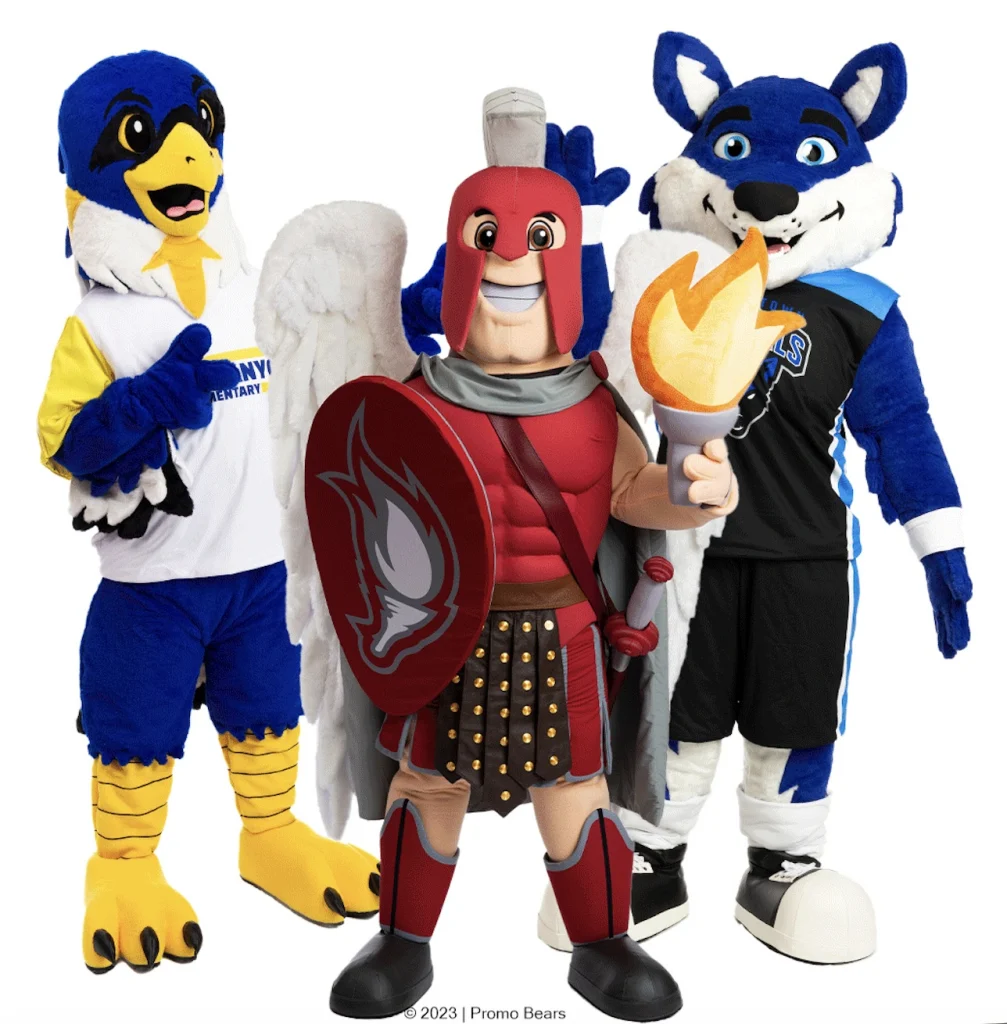
The best branded merchandise alternative for sports teams in 2026 is a custom mascot, whether that takes the form of a full costume, plush toys, inflatables, or smaller mascot merchandise like keychains and stickers. These products go far beyond traditional apparel by giving fans something to connect with emotionally, not just wear. This article walks through the most effective options, how they compare, and how to choose the right one for your team.
Why do sports teams need more than just jerseys and caps?
Jerseys and caps are useful, but they are table stakes in sports branding. Every team sells them, which means they do little to set your organization apart or create a lasting impression. Fans want merchandise that reflects personality, generates excitement, and gives them a reason to talk about your team. That is where branded merchandise alternatives come in.
When fans wear a jersey, they show loyalty. When they carry a mascot plush toy, display a sticker, or watch an inflatable character greet them at the gate, they experience your brand. That shift from passive display to active engagement is what drives word of mouth and repeat attendance.
For marketing managers and brand directors, the business case is straightforward. Merchandise that generates conversation creates organic reach. Products that fans keep on their desks, in their cars, or on their bags keep your team top of mind long after the final whistle. Jerseys rarely do that on their own.
What types of branded merchandise work best for sports teams?
The most effective branded merchandise for sports teams combines visual impact, everyday usability, and strong brand identity. The best options go beyond apparel and give fans something genuinely memorable to take home or interact with at events.
Here are the product types that consistently perform well for sports organizations:
- Custom mascot plush toys: Soft, collectible, and loved by fans of all ages. Plush toys are strong sellers at games and online stores, with production timelines of around 12 to 18 weeks depending on volume and shipping method.
- Giant mascot inflatables: These are high-visibility crowd magnets at games, parades, and fan events. Ready in as little as 3 to 4 weeks, they deliver immediate visual impact.
- Enamel pins and keychains: Affordable, collectible, and easy to sell in bulk. Both are ready in 3 to 6 weeks and appeal to fans who want something tangible without a large spend.
- Mascot stickers: Low cost, high reach. Fans put them on water bottles, laptops, and car bumpers, turning everyday objects into moving advertisements. Ready in approximately 4 weeks.
- Custom stress balls: A crowd favorite at promotional events and fan giveaways. Fully custom shapes with PMS color matching are available, and production takes 10 to 12 weeks after design approval.
- Inflatable player tunnels: A premium game day experience product that creates excitement as players take the field. Typical turnaround is 3 to 4 weeks.
The strongest merchandise strategies use a mix of these products, combining high-impact event pieces with affordable collectibles fans can buy or receive throughout the season.
How does a custom mascot boost a sports team’s brand?
A custom mascot boosts a sports team’s brand by giving it a living, recognizable identity that fans connect with on an emotional level. Unlike a logo on a shirt, a mascot has personality. It shows up at games, appears across merchandise, and becomes a symbol that fans rally around, especially younger audiences.
From a brand strategy perspective, mascots serve several practical functions. They make your team instantly recognizable in crowded markets. They give social media teams a character to build content around. They create a consistent visual anchor across everything from merchandise to signage to digital campaigns.
Mascots also extend your brand reach beyond the stadium. When a fan buys a plush mascot or displays a mascot sticker, your brand travels with them. That kind of organic visibility is difficult to achieve with standard merchandise and nearly impossible to buy through paid advertising alone.
For teams that already have a mascot character, translating that character into merchandise is a natural next step. For teams that do not yet have one, starting with a custom mascot costume creates a foundation that every other product can build on.
What’s the difference between a mascot costume and mascot merchandise?
A mascot costume is a wearable suit performed by a person at live events, while mascot merchandise refers to products featuring the mascot’s likeness, such as plush toys, keychains, stickers, and inflatables. Both serve your brand, but they operate in different contexts and deliver different types of value.
The costume is your live brand ambassador. It creates real-time moments at games, community events, and media appearances. It is interactive, photogenic, and generates immediate fan engagement. Custom mascot costumes typically take 12 to 16 weeks to produce and are built to fit performers comfortably for extended wear, with ventilation systems and 3D realistic eyes that bring the character to life.
Mascot merchandise, on the other hand, scales your character across thousands of touchpoints without requiring a performer. A plush toy reaches a fan’s home. A keychain goes everywhere the fan goes. Stickers appear in places your marketing team would never think to advertise. These products extend the mascot’s presence far beyond what any single costume appearance can achieve.
The most effective approach for sports teams is to use both. The costume builds the live experience and emotional connection. The merchandise sustains that connection year-round and generates ongoing revenue.
Which branded merchandise option delivers the best ROI for sports teams?
Mascot-based merchandise, particularly plush toys and inflatables, tends to deliver the strongest return on investment for sports teams because it combines high perceived value with broad fan appeal. These products sell at meaningful price points, create memorable experiences, and reinforce brand identity in ways that generic apparel cannot.
That said, ROI depends on how and where you deploy the merchandise. A few practical principles help maximize returns:
- Match the product to the moment. Giant inflatables and player tunnels are built for game day spectacle. Plush toys and keychains are built for retail and fan giveaways. Using the right product in the right context increases both impact and sell-through.
- Prioritize collectibility. Products that fans want to collect, like enamel pins or limited edition stickers, drive repeat purchases and create ongoing demand throughout the season.
- Think about longevity. A stress ball on a fan’s desk or a plush toy on a child’s shelf keeps your brand visible for months or years. That long-term exposure is part of the ROI calculation that often gets overlooked.
- Plan production timelines early. Missing a key event because merchandise was not ready is a costly mistake. Knowing that plush toys take 12 to 18 weeks and stress balls take 10 to 12 weeks means you need to plan well ahead of your season opener or major event.
When you compare promotional tools side by side, mascot merchandise consistently outperforms generic branded items on fan engagement metrics because the emotional connection to a character is inherently stronger than a connection to a logo on a pen.
How do sports teams get started with custom branded merchandise?
Getting started with custom branded merchandise is straightforward when you work with a partner who handles the full process from concept to delivery. The first step is defining your mascot character or brand identity, because that foundation shapes every product you produce.
From there, the process typically follows these stages: concept design and approval, prototype production, mass production, and delivery. For most product types, the design and approval phase is where teams spend the most time, and rightly so, because getting the character right matters for everything that follows.
We recommend starting with a free concept illustration before committing to any production. This gives you a clear visual to evaluate before any budget is spent, and it ensures the final products actually look the way you imagined.
How Promo Bears helps sports teams stand out with branded merchandise
We work with sports teams to build complete mascot merchandise programs, from the initial character concept all the way through to delivery. Every project starts with a free concept illustration, so you can see exactly what your mascot will look like before production begins. There are unlimited revisions until the design is exactly right, and a dedicated project manager oversees everything from there.
Here is what we bring to the table for sports organizations:
- Custom mascot costumes ready in 12 to 16 weeks, with 3D realistic eyes, built-in ventilation, and a comfortable fit for performers
- Plush toys, inflatables, keychains, stickers, stress balls, and more, all built around your mascot character
- Giant mascot inflatables and player tunnels ready in 3 to 4 weeks for fast-turnaround event needs
- Fully custom stress balls with PMS color matching, ready in 10 to 12 weeks after design approval
- A single point of contact who manages your entire order from design to doorstep
If you are ready to move beyond jerseys and caps and build a merchandise program that fans genuinely love, get a free quote and let us show you what is possible.
Frequently Asked Questions
How do I know which mascot merchandise products to prioritize if I'm working with a limited budget?
Start with high-reach, low-cost items like stickers, keychains, and enamel pins, since these allow you to get your mascot character in front of a large number of fans without a significant upfront investment. Once you have validated fan interest and built some revenue, reinvest into higher-ticket items like plush toys or inflatables. A tiered approach also keeps fans engaged throughout the season, giving them something new to collect at different price points.
What if my sports team doesn't have an existing mascot character yet — where do we start?
The best starting point is a custom mascot costume, since it establishes the official look and personality of your character before anything else is produced. Every piece of merchandise you create afterward, from plush toys to stickers to inflatables, should be derived from that foundational character design to ensure visual consistency across your brand. Working with a supplier who offers a free concept illustration lets you explore the character’s look before committing any budget to production.
Can mascot merchandise be used for purposes beyond game day retail, like sponsorships or community outreach?
Absolutely — mascot merchandise is highly versatile and works exceptionally well in sponsorship packages, school and youth program partnerships, charity events, and community giveaways. Sponsors often find more value in co-branded mascot items like plush toys or stress balls than in standard logo placements, because fans actually keep and use them. For community outreach, gifting mascot merchandise to local schools or youth leagues builds goodwill and puts your brand in front of families well outside the stadium.
What are the most common mistakes sports teams make when ordering custom mascot merchandise for the first time?
The most common mistake is underestimating production lead times — ordering plush toys or stress balls just a few weeks before a season opener almost always results in missed deadlines and lost sales opportunities. Another frequent misstep is designing merchandise without a cohesive mascot identity first, which leads to inconsistent products that don’t reinforce each other visually. Finally, teams often order only one product type when a mixed merchandise strategy, combining an event-focused piece like an inflatable with everyday collectibles like keychains, delivers significantly better fan engagement and revenue.
How should we price mascot merchandise to maximize both sales volume and revenue?
A tiered pricing structure works best: position low-cost items like stickers and keychains as impulse buys at $5 to $15, plush toys as mid-tier collectibles at $20 to $35, and premium or limited-edition items at higher price points to drive perceived exclusivity. Bundling products, such as a plush toy paired with a sticker sheet, can increase average transaction value while giving fans a sense of added value. Regularly refreshing your lineup with seasonal or limited-run designs also creates urgency and encourages repeat purchases throughout the year.
How do we maintain consistent mascot branding across so many different product types?
Consistency starts with locking down a detailed character style guide before production begins — this should define your mascot’s colors using PMS codes, key facial features, proportions, and approved poses. Sharing this guide with your merchandise supplier ensures that every product, whether a plush toy, a keychain, or a giant inflatable, looks like the same character. Working with a single supplier who manages all your mascot merchandise is the most reliable way to maintain that consistency without having to coordinate between multiple vendors.
Is custom mascot merchandise a viable option for smaller or minor league sports teams, or is it only practical for large organizations?
Custom mascot merchandise is very accessible for smaller and minor league teams, especially when starting with lower minimum order quantities on items like stickers, enamel pins, and keychains. These products have relatively short production timelines and lower per-unit costs, making them practical even on a modest budget. In fact, smaller teams often see a stronger relative impact from mascot merchandise because it helps them punch above their weight in terms of brand presence and fan experience compared to larger organizations with bigger marketing budgets.