
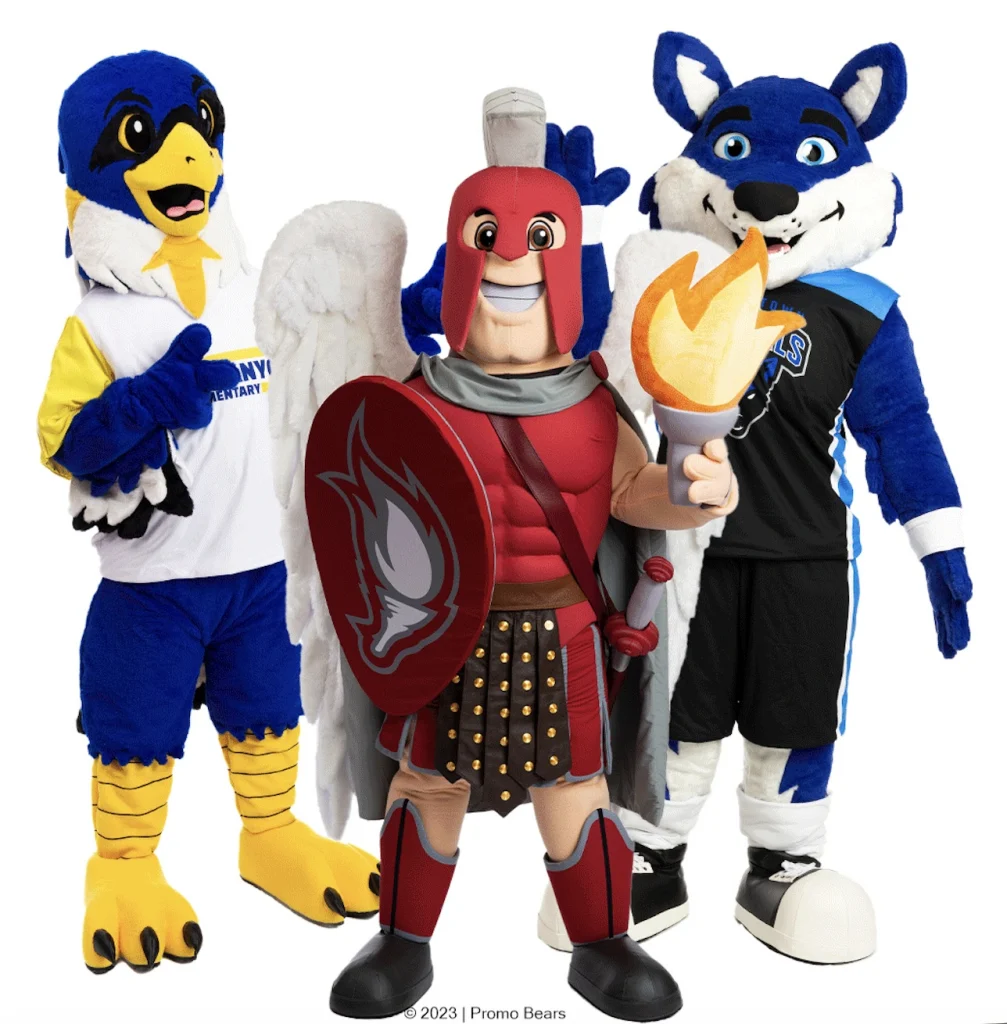
Marketing to children most commonly takes the form of mascot characters, colorful branded merchandise, storytelling, and experiential campaigns that create emotional connections with young audiences. Brands that successfully reach children do so by making their messaging fun, memorable, and tied to characters or products that kids genuinely love. This article walks through the most effective strategies, real-world examples, and the ethical responsibilities that come with targeting younger consumers.
What are the most common ways brands market to children?
The most common children’s marketing ideas include character-driven advertising, branded merchandise, sponsorships of youth events, in-school programs, and digital content designed for platforms where children spend time. These approaches work because they prioritize entertainment and emotional connection over direct selling, which resonates far more naturally with younger audiences.
Brands have long understood that children respond to stories, colors, and characters rather than product features or pricing. A child does not choose a cereal box because of its nutritional value. They choose it because of the cartoon character on the front. That emotional shortcut is the foundation of most youth-focused marketing.
- Mascot characters and brand ambassadors that children recognize and trust
- Bright, playful packaging and visual branding designed to attract young eyes
- Sponsorships of youth sports leagues, school events, and community activities
- Branded collectibles, toys, and giveaways that children want to keep and share
- Digital content including games, apps, and social media targeted at family audiences
Each of these tactics creates repeated brand exposure in contexts where children feel relaxed and engaged, which is exactly when brand impressions are formed most powerfully.
How do mascots and brand characters influence children?
Mascots and brand characters influence children by creating a personal, friendly connection with a brand that feels more like a relationship than an advertisement. Children assign personality and trust to characters, which means a well-designed mascot can build brand loyalty in young consumers before they are even old enough to make purchasing decisions independently.
Think about how instantly recognizable characters like Tony the Tiger or the Geico Gecko are to generations of consumers. That recognition starts in childhood. A mascot gives a brand a face, a personality, and a story, all of which are things children are naturally drawn to.
For schools, sports teams, and family-oriented brands, a custom mascot costume takes this a step further. When children can physically interact with a mascot at an event, the emotional bond becomes even stronger. That live experience turns a brand into a memory, and memories drive loyalty for years.
The influence of mascots extends well beyond the moment of interaction. Children talk about characters they love, draw them, request products featuring them, and recognize them instantly on merchandise. That word-of-mouth effect is one of the most powerful outcomes a brand can achieve through custom mascot design.
What are real-world examples of successful child-targeted marketing campaigns?
Some of the most successful child-targeted marketing campaigns in history center on mascot characters, branded experiences, and merchandise that children collect and share. McDonald’s Happy Meal toys, the LEGO brand universe, and sports team mascots at live games are all strong examples of children’s marketing ideas executed at scale.
McDonald’s Happy Meal is a textbook case. By pairing food with a collectible toy and a recognizable character experience, the brand created a product that children actively request by name. The toy drives the desire, and the meal follows. That inversion of the typical purchase decision is a direct result of smart, character-led marketing.
Sports franchises have also mastered this approach. A team mascot that high-fives kids in the stands, appears on youth merchandise, and shows up at school visits creates an emotional attachment that parents then reinforce through ticket purchases and branded gear. The mascot is not just entertainment. It is a revenue driver.
Brands like Kellogg’s, Nestlé, and Red Bull have each invested heavily in character-based marketing and experiential campaigns that target families and younger consumers. The common thread across all successful examples is consistency: the same character, the same personality, and the same visual identity repeated across every touchpoint.
What role does branded merchandise play in marketing to children?
Branded merchandise plays a central role in children’s marketing because it turns passive brand awareness into active brand participation. When a child carries a backpack, wears a sticker, or squeezes a stress ball featuring a brand character, they become a walking ambassador for that brand in their school, neighborhood, and social circle.
The physical nature of merchandise is what makes it so effective with younger audiences. Children are tactile. They respond to things they can hold, wear, collect, and share. A well-designed piece of branded merchandise becomes a possession the child values, which keeps the brand present in their daily life long after the initial event or campaign.
For brands targeting families at events, schools, or community programs, the right merchandise creates a moment of delight that parents notice too. When a child lights up over a plush toy or a colorful keychain, the parent’s perception of that brand shifts in a positive direction. That dual-audience impact is one of the most underrated advantages of investing in quality branded products.
Merchandise also extends the life of a campaign. A one-day event generates one day of impressions. A branded item that a child keeps for months generates impressions every single day.
What ethical guidelines apply to marketing aimed at children?
Marketing aimed at children in the United States is governed by guidelines from the Federal Trade Commission (FTC), the Children’s Advertising Review Unit (CARU), and the Children’s Online Privacy Protection Act (COPPA). These frameworks require that advertising directed at children be honest, age-appropriate, and not exploit the developmental limitations of young audiences.
CARU, which is administered by BBB National Programs, sets specific standards for how brands can advertise to children under 13. These include rules around product disclosures, the use of characters in advertising, and how promotional content must be labeled when it appears alongside editorial or entertainment content.
The core ethical principle across all of these guidelines is that children deserve a higher standard of honesty and transparency than adult consumers, because they are less equipped to distinguish advertising from entertainment or to critically evaluate marketing claims. Brands that ignore this principle face regulatory consequences and significant reputational risk.
Beyond regulatory compliance, ethical marketing to children also means avoiding techniques that create unhealthy pressure, exploit insecurities, or encourage children to pester parents into purchases. The most respected brands in youth marketing build their campaigns around genuine value, fun, and positive experiences rather than manipulation.
How can brands market responsibly and effectively to younger audiences?
Brands can market responsibly and effectively to younger audiences by leading with genuine value, using age-appropriate messaging, and building campaigns around experiences and characters that children find joyful rather than manipulative. The most effective children’s marketing ideas are also the most ethical ones: they create real moments of connection rather than manufactured pressure.
Responsible marketing to children starts with understanding what children actually enjoy at different developmental stages. A campaign designed for a six-year-old looks and feels completely different from one designed for a twelve-year-old. Brands that treat “children” as a single homogeneous group consistently underperform compared to those that tailor their approach by age and context.
Experiential marketing is one of the most powerful responsible approaches available. School visits, community events, and family-friendly activations create positive associations without relying on high-pressure tactics. A mascot appearance at a school fair, for example, generates genuine excitement and brand goodwill without a single hard sell.
Transparency also matters enormously. When branded content is clearly labeled, when characters are used to entertain rather than deceive, and when merchandise is designed to genuinely delight rather than create artificial scarcity, brands build the kind of long-term trust that sustains loyalty well into adulthood.
- Design campaigns around positive experiences, not pressure or fear of missing out
- Use age-appropriate language, visuals, and characters for each target group
- Label sponsored or branded content clearly in all formats
- Invest in high-quality merchandise that children genuinely value and enjoy
- Align mascot characters and brand personalities with values parents respect
How Promo Bears helps with marketing to children
We specialize in exactly the kinds of tools that make children’s marketing ideas come to life in a tangible, memorable way. From custom mascot costumes that create unforgettable live experiences to branded merchandise that children love to keep and share, we offer a full range of products designed to strengthen your brand’s connection with younger audiences.
Here is what we bring to the table for brands targeting families and children:
- Custom mascot costumes ready in 12 to 16 weeks, built around your brand character with lifelike 3D eyes, a built-in ventilation system, and a free concept illustration before production begins
- Custom stress balls in fully bespoke shapes with PMS color matching, produced in 10 to 12 weeks after design approval, ideal for school events and brand giveaways
- Plush toys and keychains that children collect, share, and keep, turning a single campaign touchpoint into months of ongoing brand exposure
- Giant mascot inflatables ready in just 3 to 4 weeks, perfect for outdoor events, school fairs, and brand activations where visual impact matters
- A dedicated project manager who oversees every order from concept to delivery, so your team never has to chase updates
Every project starts with a free concept illustration and zero upfront commitment. Whether you are planning a school partnership, a family event, or a national brand activation, we are ready to help you create the kind of experience children remember for years. Get your free quote today and let us bring your brand character to life.
Frequently Asked Questions
At what age do children start forming brand loyalty, and how should that influence campaign timing?
Research suggests children begin recognizing and preferring specific brands as early as age 2 or 3, with stronger brand loyalty forming between ages 7 and 12 as they develop more independent preferences. This means early, consistent exposure through mascots, packaging, and experiential touchpoints can establish brand affinity long before a child makes independent purchasing decisions. Brands that wait until children are teenagers to engage them are often entering a relationship that competitors have already built.
How do I know if my mascot character is actually resonating with children versus just adults?
The clearest signals that a mascot resonates with children are unprompted recognition, imitation, and requests — when kids ask for products featuring the character, draw the mascot on their own, or light up during live interactions without being prompted. You can also gather more structured feedback through school event observations, parent surveys, or focus groups with age-appropriate participant groups. If children are ignoring your mascot at activations while gravitating toward competitors’ characters, that is a strong signal that the design, personality, or interactivity needs to be revisited.
What are the most common mistakes brands make when creating their first child-targeted marketing campaign?
The most common mistake is treating all children as one audience — using the same messaging, visuals, and characters for a 5-year-old and an 11-year-old, even though their developmental stages, interests, and media habits are completely different. Another frequent misstep is prioritizing brand visibility over genuine child delight, which produces campaigns that feel corporate rather than fun. Brands also often underinvest in the physical and experiential elements — like quality merchandise or live mascot appearances — that create the emotional memories children actually carry forward.
Can small or local brands realistically use mascot-based marketing, or is this only viable for large national companies?
Mascot-based marketing is highly viable for small and local brands — in fact, local presence is often an advantage because a mascot appearing at a neighborhood school fair or community event creates a more intimate, memorable connection than a national TV campaign ever could. A custom mascot costume or a set of branded plush toys represents a one-time investment that can generate brand impressions at dozens of events over several years. Local sports teams, regional food brands, children’s healthcare providers, and community organizations have all used mascot characters with great success at modest budgets.
How should branded merchandise for children be designed to maximize both appeal and longevity?
The most effective children’s branded merchandise combines tactile appeal, visual personality, and genuine usefulness or collectibility — a plush toy with a distinctive character face, for example, wins on all three dimensions. Avoid merchandise that feels cheap or breaks quickly, since a low-quality item creates a negative brand impression precisely at the moment the child is most engaged. Designs should reflect the same character and color palette used across your other brand touchpoints so that every time the child uses or sees the item, it reinforces the broader brand identity.
What is the best way to measure the ROI of a child-focused experiential marketing campaign?
ROI for child-focused experiential campaigns is best measured through a combination of direct and indirect metrics: direct sales or coupon redemptions tied to the event, post-event brand awareness surveys among parents, social media engagement from families who attended, and longer-term tracking of customer acquisition in the demographic you targeted. Because children influence household purchasing decisions rather than making them independently, parent sentiment is a critical proxy metric — a campaign that delights children but also earns parental respect drives the actual purchase behavior you are trying to generate. Tracking repeat engagement, such as families returning to subsequent events or redeeming branded merchandise offers, also provides strong evidence of lasting impact.
How do I ensure my children's marketing campaign stays compliant with FTC and CARU guidelines as it scales across digital channels?
As campaigns expand into digital channels, the most important compliance steps are clearly labeling all sponsored or branded content, ensuring that any data collection from users under 13 is fully COPPA-compliant (which typically means obtaining verifiable parental consent), and reviewing all creative assets against CARU’s published guidelines before launch. Working with a legal or compliance specialist who focuses on children’s advertising is strongly recommended for national or digital-scale campaigns, since the rules around influencer content, in-app advertising, and character-based promotions online are more nuanced than traditional media. CARU also offers an advisory service that allows brands to submit campaigns for review before they go live, which significantly reduces regulatory risk.