
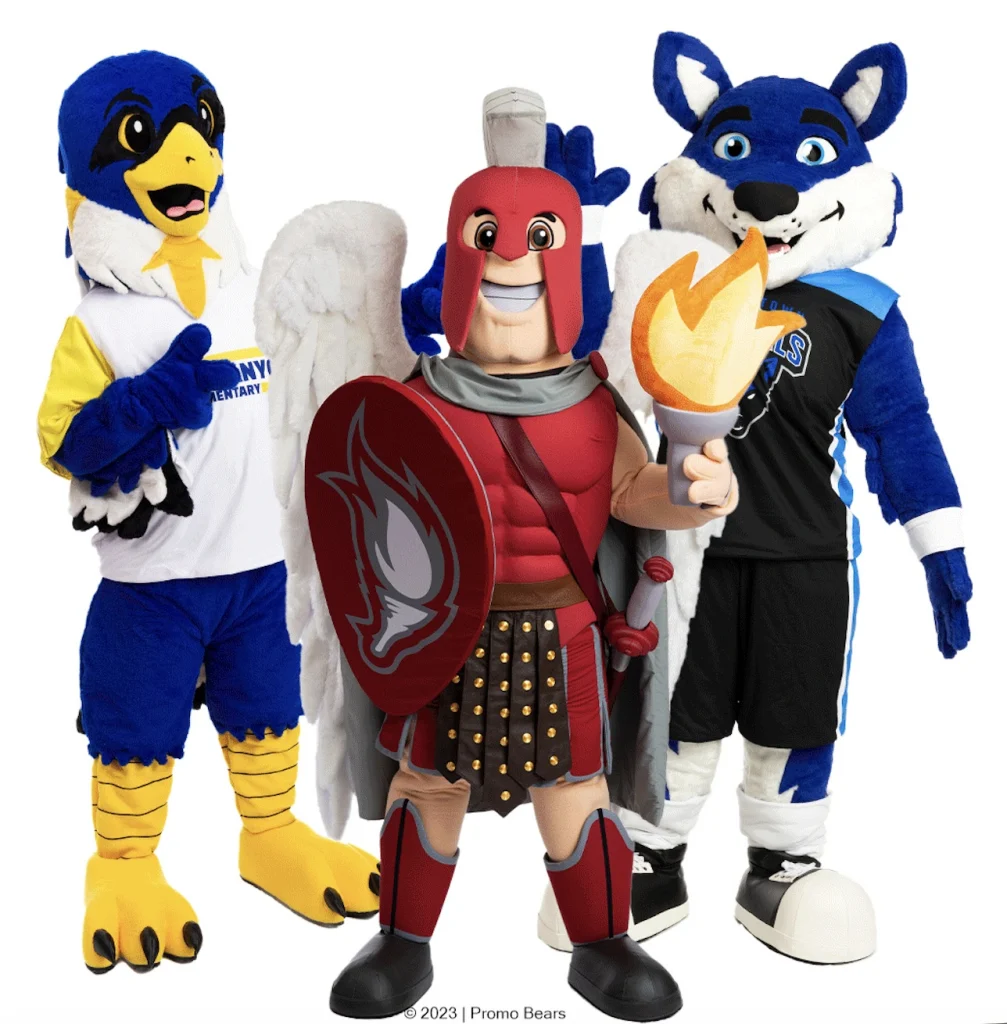
Starting the mascot design process from scratch begins with gathering the right brand information, then working with a designer to translate it into a concept illustration. From there, you refine the design through revisions, make key decisions about materials and features, get internal sign-off, and move into production. The sections below walk through each stage so you know exactly what to expect.
What information do you need before designing a mascot?
Before any design work begins, you need a clear picture of your brand identity, your mascot’s intended purpose, and the audience it will connect with. Without this foundation, even the most talented designer is working in the dark. The more specific you can be upfront, the faster and smoother the entire mascot design process will go.
Start by pulling together the following:
- Your logo, brand colors, and any existing brand guidelines
- The character concept or animal you have in mind, even if it is just a rough idea
- Where the mascot will be used, such as live events, merchandise, social media, or all three
- The personality traits you want the mascot to convey, for example energetic, friendly, or authoritative
- Your target audience, because a mascot for a children’s sports league looks very different from one built for a corporate brand
Having this information ready before your first conversation with a designer saves you multiple rounds of back-and-forth and helps ensure the final result actually fits your brand rather than just looking good in isolation.
How does a concept illustration fit into mascot design?
A concept illustration is the first visual translation of your mascot idea. It turns your written brief and brand assets into a 2D drawing that shows what the character will look like before any physical production begins. Think of it as a blueprint that everyone on your team can react to and refine.
This stage is important because it costs far less to adjust a drawing than to alter a finished costume or product. A good concept illustration captures the mascot’s proportions, facial expression, color palette, and overall personality. It gives you something concrete to approve, which protects both you and the production team from misunderstandings later.
At Promo Bears, every project starts with a free concept illustration based on your logo or design idea. You can request unlimited revisions at this stage, and production only begins once you are fully happy with the result. That approach removes a lot of the risk that typically comes with custom design work.
What are the most important design decisions for a custom mascot?
The most important design decisions for a custom mascot are the character’s overall silhouette, the facial expression, the color accuracy, and the level of detail. These choices define how recognizable and effective the mascot will be across all the contexts where it appears.
Here is a closer look at each decision:
- Silhouette: A strong, distinctive outline makes your mascot instantly recognizable even at a distance or in a small thumbnail. Avoid overly complex shapes that lose clarity when scaled down.
- Facial expression: The face carries the personality. Decide early whether you want the mascot to look friendly, fierce, playful, or professional, and make sure that expression holds up from multiple angles.
- Color matching: Use your exact brand colors from the start. Precise color matching prevents the finished product from looking off-brand when placed next to your logo or other marketing materials.
- Level of detail: More detail can look impressive on a large costume but may not translate well onto a small keychain or sticker. If you plan to use the mascot across multiple product types, design for versatility.
- Size and wearability: For costume mascots specifically, consider the performer’s comfort, visibility, and the ventilation system built into the design. A mascot that is uncomfortable to wear will not get used.
How long does the mascot design process take from start to finish?
The mascot design process from initial concept to finished costume typically takes 12 to 16 weeks in total. This timeline covers concept illustration, revision rounds, design approval, production, quality control, and shipping. Shorter timelines apply to smaller mascot merchandise items.
To give you a practical sense of how timelines vary by product type:
- Custom mascot costumes: 12 to 16 weeks
- Plush toys: 12 to 18 weeks depending on shipping method
- Stress balls: 10 to 12 weeks
- Giant mascot inflatables: 3 to 4 weeks
- Mascot stickers: approximately 4 weeks
- 2D keychains, enamel pins, and similar small items: 3 to 6 weeks
The design and revision phase happens before production starts, so the more efficiently you move through approvals, the sooner production can begin. If you have a hard deadline such as a product launch, a sports season opener, or a major trade show, share that date upfront so your project team can plan backward from it. Rush options are available for certain products when timing is tight.
Who should be involved in approving a mascot design?
The people who should approve a mascot design are those with authority over brand decisions, typically a marketing director or brand manager, along with any key internal stakeholders who will use or present the mascot publicly. Keeping the approval group focused and small prevents delays caused by conflicting feedback.
In practice, a mascot approval team might include your marketing lead, a senior executive who owns the brand vision, and possibly a legal or compliance reviewer if the character involves intellectual property considerations. Avoid opening the review to too many voices at once, because broad input at this stage often creates contradictory feedback that is difficult to reconcile in a single design.
If your organization requires multiple rounds of internal sign-off, build that time into your project schedule from the beginning. Waiting until a design is nearly final to loop in a decision-maker is one of the most common causes of timeline overruns in custom mascot projects.
What happens after the mascot design is approved?
Once the mascot design is approved, production begins. The approved illustration becomes the reference document that the production team works from, and no further design changes are made at this point. From here, the focus shifts entirely to building the physical product to match the approved artwork.
For a mascot costume, this production phase includes pattern making, material selection, fabrication, and the integration of features like 3D realistic eyes and a built-in ventilation system. When the costume is complete, it goes through a quality control review, and result photos are shared with you for final approval before the product ships.
For merchandise items like plush toys or stress balls, a physical prototype is typically produced first. You review and approve the prototype before mass production begins, which gives you one more checkpoint to confirm the product matches your expectations.
Throughout all of this, a dedicated project manager tracks progress and keeps you informed. Once everything clears quality control, your order is packed securely and shipped directly to your door, along with a care manual so you know how to maintain the product over time.
How Promo Bears helps with mascot design
We handle the entire mascot design process from the first sketch to the moment your costume or merchandise arrives at your door. Here is what working with us looks like in practice:
- A free concept illustration based on your logo or design idea, with unlimited revisions at no extra cost
- A dedicated project manager who guides you through every stage and keeps the timeline on track
- Production that only starts once you have approved the design, so there are no surprises
- Quality control and result photos shared before anything ships
- A full range of mascot products including costumes, plush toys, inflatables, stress balls, and more
With over 19 years of experience and more than 4,000 mascots created for brands ranging from schools and sports teams to globally recognized companies, we know what it takes to get a mascot right the first time. Ready to see what your mascot could look like? Request your free concept illustration and let us get started.
Frequently Asked Questions
How much does a custom mascot design typically cost?
The cost of a custom mascot varies depending on the product type, level of detail, and quantity ordered. A full mascot costume is a significantly larger investment than merchandise items like plush toys, keychains, or stress balls. The best approach is to request a free quote with your specific requirements so you get an accurate price based on your project scope rather than a generic estimate.
What if I don't have a character concept yet — can I still start the design process?
Yes, you can absolutely start without a fully formed character concept. A good designer can work from your logo, brand colors, industry, and the personality traits you want the mascot to convey to develop initial direction for you. Coming in with your brand guidelines and a general sense of your audience is enough to kick off a productive first conversation and get a concept illustration underway.
Can I use the same mascot design across both a costume and merchandise like plush toys or stickers?
Yes, and planning for multi-format use from the very beginning is one of the smartest things you can do during the design phase. The key is to ensure the concept illustration is designed with versatility in mind — a clean silhouette, limited fine detail, and accurate brand colors all help the design translate well whether it’s a six-foot costume or a two-inch keychain. Let your designer know all the formats you plan to use upfront so they can account for scalability from the start.
What are the most common mistakes brands make during the mascot design process?
The most frequent mistakes are rushing through the concept illustration phase, involving too many decision-makers too late in the process, and not sharing hard deadlines upfront. Skipping thorough revisions at the illustration stage is especially costly because changes become much more difficult and expensive once production has started. Taking the time to get the design exactly right before approving it is always the better investment.
How do I make sure the finished mascot costume matches the approved illustration?
The best safeguard is working with a production team that uses the approved illustration as a binding reference document and provides result photos before shipping. For merchandise, reviewing and approving a physical prototype before mass production begins gives you an additional quality checkpoint. Asking upfront about the quality control process and what review steps are included before delivery will help you set the right expectations.
Is it possible to rush a mascot order if I have a tight deadline?
Rush production is available for certain product types, but it depends on how much lead time you have and which product you need. Smaller items like inflatables, stickers, and keychains have naturally shorter production windows and are more likely to accommodate a tighter schedule. The most important step is to share your deadline as early as possible — ideally during your first conversation — so your project team can assess feasibility and plan accordingly rather than discovering the time constraint too late.
How do I maintain and care for a mascot costume after it arrives?
Proper maintenance significantly extends the life of a mascot costume and keeps it looking sharp at every appearance. Most reputable manufacturers ship a care manual with the finished product that covers cleaning methods, storage recommendations, and how to handle minor repairs. As a general rule, storing the costume in a cool, dry environment, spot-cleaning after each use, and avoiding prolonged exposure to direct sunlight will help preserve the colors and materials over time.