
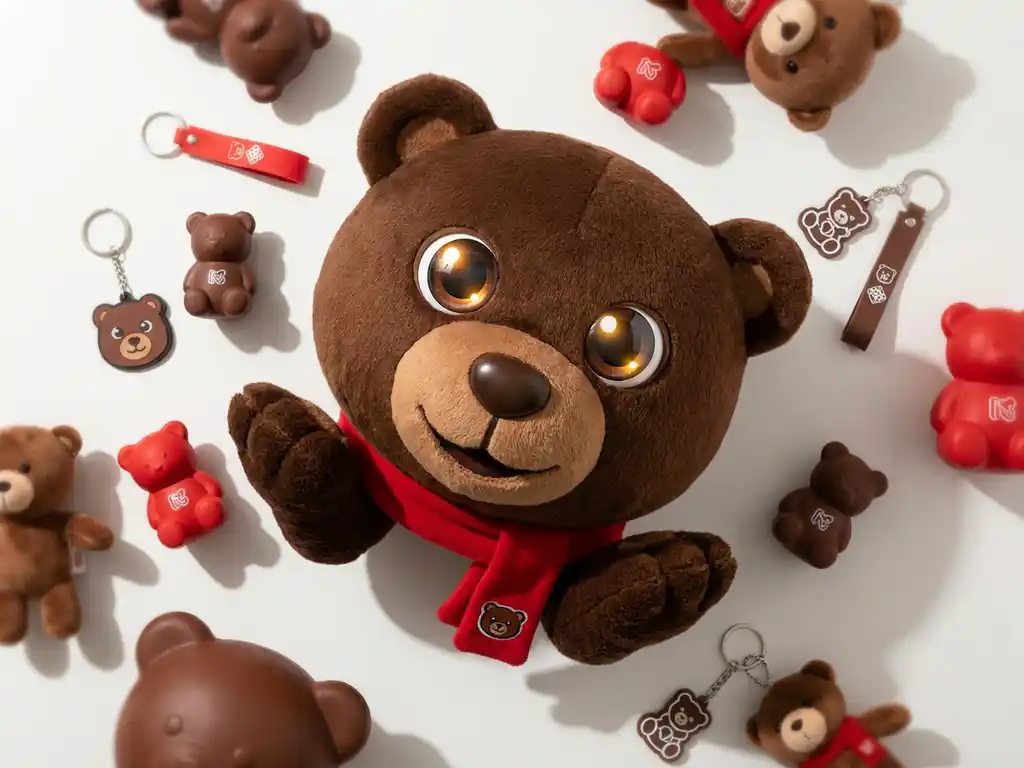
Yes, company swag is worth it — when it’s done right. Branded merchandise builds visibility, strengthens loyalty, and keeps your brand top of mind long after an event or campaign ends. The key is choosing items people actually want to use, not just generic giveaways that end up in a drawer. This article breaks down exactly what makes swag work, what to avoid, and how to get the most from your investment.
What does company swag actually do for a brand?
Company swag creates physical touchpoints between your brand and your audience. Unlike digital ads that disappear after a scroll, a well-chosen branded item stays in someone’s hands, on their desk, or in their bag — delivering repeated impressions over days, weeks, or even months. That kind of sustained visibility is genuinely difficult to achieve through any other marketing channel.
Beyond visibility, swag builds an emotional connection. When someone receives a thoughtful, high-quality branded item, it signals that your company invests in its relationships. That feeling translates into goodwill, loyalty, and word of mouth. Employees who receive quality branded merchandise feel more connected to the company culture. Customers who receive a useful branded gift are more likely to remember and recommend you.
Swag also functions as a conversation starter. A distinctive branded stress ball, a custom plush mascot, or a well-designed tote bag generates curiosity and questions — which means your brand gets talked about organically, without you having to say a word.
What types of company swag get the best results?
The company swag that delivers the best results is useful, memorable, and closely tied to your brand identity. Items that people interact with regularly — desk accessories, drinkware, wearables, and tactile novelty items — outperform disposable or forgettable giveaways every time.
The most effective categories include:
- Tactile branded items such as custom stress balls, which stay on desks and in hands, keeping your logo in constant view
- Wearables like branded apparel, which turn recipients into walking brand ambassadors
- Practical everyday items such as drinkware, notebooks, and tech accessories that get used repeatedly
- Mascot merchandise including plush toys and inflatables, which create strong emotional associations and visual impact at events
- Collectible or novelty items that are unique enough to be kept, shared, or displayed
The common thread is utility and personality. Swag that reflects your brand’s character and serves a real purpose in someone’s daily life will always outperform a generic pen with a logo on it.
How do you measure the ROI of company swag?
Measuring the ROI of company swag requires tracking both direct and indirect outcomes. Direct metrics include lead generation at events, redemption rates tied to swag campaigns, and sales uplift following branded merchandise distribution. Indirect metrics — brand recall, social media mentions, and customer retention rates — are equally important but require a longer measurement window.
A practical approach to measuring swag ROI looks like this:
- Set a clear objective before ordering. Are you driving event leads, rewarding loyal customers, or boosting employee engagement? Each goal has its own success metric.
- Track distribution carefully. Know who received what, and follow up with those audiences through surveys or sales data.
- Measure brand recall. Post-event surveys asking “Do you remember receiving our branded item?” provide useful data on retention and impression quality.
- Monitor social sharing. Distinctive swag gets photographed and shared. Track mentions, tags, and user-generated content connected to your branded items.
- Compare cost per impression. Divide the total cost of your swag campaign by the estimated number of brand impressions the items generate over their lifespan. This often compares favorably to digital advertising costs.
ROI is rarely instant with physical merchandise, but the cumulative value of repeated impressions and positive brand association builds over time in ways that paid media simply cannot replicate.
What’s the difference between cheap swag and premium branded merchandise?
The difference between cheap swag and premium branded merchandise comes down to quality, customization, and lasting impression. Cheap swag is typically off-the-shelf, minimally branded, and forgettable — it may carry your logo, but it does little to communicate your brand’s values or quality standards. Premium branded merchandise is fully custom, built to reflect your identity, and designed to be kept and used.
Cheap swag often costs less upfront but delivers poor returns. Items that break quickly, look generic, or feel low-effort send an unintentional message about your brand. In a B2B context especially, the quality of your merchandise is a proxy for the quality of your products and services.
Premium branded merchandise, on the other hand, earns attention precisely because it stands out. Custom shapes, precise color matching, fine detail work, and durable materials all signal that your brand takes presentation seriously. Recipients notice the difference — and so does your brand’s reputation.
When should a company invest in custom swag?
A company should invest in custom swag whenever it needs to make a lasting impression, build brand recall, or deepen relationships with a specific audience. The highest-impact moments include trade shows and industry events, product launches, employee onboarding programs, seasonal campaigns, and customer loyalty initiatives.
Custom swag is particularly valuable when your brand is entering a new market or audience segment and needs to establish recognition quickly. It’s also worth investing in when you want to reinforce a rebrand, celebrate a milestone, or create a cohesive brand experience across multiple touchpoints.
One consideration worth noting: custom merchandise takes time to produce well. For fully custom items — such as precision-molded stress balls built to your exact specifications — production typically runs 10 to 12 weeks after design approval. Planning ahead ensures you’re not compromising on quality to meet a deadline.
How do you choose the right promotional products partner?
Choosing the right promotional products partner means finding a supplier who combines creative capability, production quality, and reliable project management. Price alone is a poor guide — the right partner is one who can take your brand identity and translate it faithfully into a physical product, at scale, without surprises.
Look for these qualities when evaluating a partner:
- A clear, transparent process from concept to delivery
- Free concept artwork before any commitment
- Dedicated project management on every order
- A strong portfolio of work for recognizable brands
- Flexibility to handle multiple product types under one roof
- Honest timelines and fixed quotes based on your specific design
The ability to see a free concept illustration before committing is especially important. It tells you whether the supplier truly understands your brand and can execute your vision — and it removes the risk of investing in something that misses the mark.
How Promo Bears helps with company swag
We specialize in turning brand identities into high-quality, custom promotional products that people actually keep. From custom mascot costumes and inflatables to plush toys and branded merchandise, we offer a full-service approach backed by over 19 years of experience.
One of our most popular and effective swag items is the custom stress ball — fully shaped to your design, PMS color-matched, and built from durable PU foam that captures fine detail. These aren’t standard shapes with a one-color print. Every piece is precision-molded to your exact specifications, making them genuinely memorable brand touchpoints.
Here’s what working with us looks like:
- Free concept artwork based on your logo or idea — no commitment required
- Unlimited revisions until the design is exactly right
- Physical prototype approval before bulk production
- A dedicated project manager from design to delivery
- Worldwide shipping to clients across the USA, Canada, Europe, Australia, and beyond
- Production in 10 to 12 weeks after design approval, with rush options available
Whether you’re planning a trade show, a product launch, or a long-term brand awareness campaign, we’re ready to help you create swag that actually works. Request a free quote today and let’s bring your brand to life.
Frequently Asked Questions
How much should a company budget for a swag campaign?
Budget depends heavily on your goal and audience size, but a useful starting point is to think in terms of cost per recipient rather than total spend. For trade show giveaways, $5–$15 per item is a common range for quality branded merchandise, while premium gifting for VIP clients or key accounts can justify $25–$75 or more per piece. The more targeted your distribution, the more you can invest per item — and the better your ROI tends to be, since high-quality swag given to the right people outperforms large volumes of cheap items given to everyone.
What are the most common mistakes companies make with branded merchandise?
The biggest mistake is prioritizing low cost over perceived value — ordering the cheapest option available and hoping the logo does the heavy lifting. Other common pitfalls include ordering too late (leaving no time for quality production), choosing items with no connection to the brand’s identity or audience, and failing to track any results after distribution. A close second is over-ordering generic items that pile up in storage because no one wanted them, which wastes budget and creates the opposite of a positive brand impression.
Can small businesses benefit from custom swag, or is it only worth it for large companies?
Custom swag is absolutely worthwhile for small businesses — in fact, it can be a competitive advantage, since a small brand that shows up with distinctive, high-quality merchandise stands out far more than a large company handing out yet another generic tote bag. The key for smaller budgets is to focus on smaller, targeted quantities rather than mass distribution. A run of 100 precision-custom stress balls given to the right prospects at one industry event can generate more brand recall and conversation than 1,000 forgettable pens distributed broadly.
How do I make sure my swag actually reflects my brand accurately, especially with colors and shapes?
The best way to ensure brand accuracy is to work with a supplier who offers PMS color matching and free concept artwork before production begins. PMS (Pantone Matching System) color matching ensures your branded item reproduces your exact brand colors rather than a close approximation. Reviewing a physical prototype before bulk production is equally important — it lets you confirm that the shape, color, texture, and finish all meet your standards before any large-scale commitment is made. Never skip the prototype stage if brand accuracy matters to you.
What's the best type of swag to give employees versus customers or event attendees?
Employee swag works best when it feels exclusive and high-quality — items like premium branded apparel, desk accessories, or custom onboarding kits that signal the company values its people. For customers or event attendees, the priority shifts to memorability and utility: items they’ll use in their daily lives and associate positively with your brand. Event-specific swag should also be compact and easy to carry away from the venue. The common principle across all three audiences is the same — choose items people genuinely want to keep, not items that feel like an afterthought.
Is there a minimum order quantity for custom promotional products like stress balls or plush items?
Minimum order quantities (MOQs) vary by product type and supplier, but for fully custom items like precision-molded stress balls or custom plush toys, MOQs typically start around 100–250 units. This is because custom tooling and molds are created specifically for your design, and the setup cost needs to be spread across a sufficient quantity to be economical. It’s worth discussing your specific needs with your supplier upfront — some offer flexibility for smaller initial runs, especially if you’re testing a new design before scaling up.
How far in advance should I start planning a swag order for a specific event or campaign?
For fully custom items, planning 14–16 weeks ahead of your target date is the safest approach — this gives you buffer time for the design and approval process (2–4 weeks) plus the standard 10–12 week production window. If you’re working with a tighter timeline, discuss rush production options with your supplier early, as these are sometimes available but may affect cost or design complexity. The most common regret in swag ordering is starting too late and having to compromise on quality or customization to hit a deadline.
Related Articles
- How do you make company culture visible at events and trade shows?
- How does mascot merchandise compare to traditional branded giveaways?
- What is the best strategy to improve brand recognition in retail?
- How does a recognizable brand character boost revenue for children's products?
- Why do kids respond so strongly to mascot-based brand identities?